

Progressive Commercial truck insurance
The call goes to an independent agency, not to Progressive Commercial.
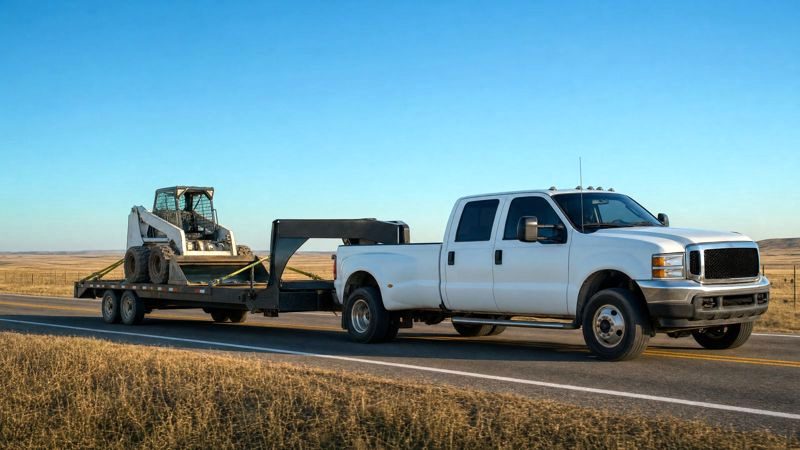
The pickup classes Progressive names for hotshots: 10,001 to 19,500 lbs GVWR, the truck’s own weight rating, not truck plus trailer.
Progressive CommercialFederal liability minimum across state lines: $300K under 10,001 lbs, $750K at 10,001 lbs and up.
49 CFR 387.9What most brokers ask: auto liability plus cargo, above the federal minimum.
Brokers C.H. Robinson and TQLTypical time for Progressive to complete your truck insurance filings, per its own FAQ.
Progressive CommercialHotshot and truck coverage cost per month
| A month | Applies to | Source |
|---|---|---|
| $665 to $1,165 | An established hotshot business with a clean driving record | Trucking Insurance Services |
| $1,000 to $1,800 | A hotshot in the first two years with your own new MC number | Trucker Path Insurance |
| $734 to $926 | Not hotshot only: Progressive’s 2025 average for every truck it insures that hauls for pay, big rigs included | Progressive Commercial |
An agent prices your own truck, record and routes; Progressive Commercial quotes can land above or below these ranges.
Box trucks, semis, and hotshot pickups rated Class 3 to 5 are among the many trucks Progressive Commercial insures, though coverage is not available in all states or for all vehicles. What you pay comes down to your rig, your freight, and your routes.
Hotshot coverage for pickups and trailers from Progressive
In 2025, its truckers who haul for hire paid an average of $734 to $926 a month, depending on the kind of hauling they do. That range covers every for-hire truck Progressive insures, big rigs included, so a hotshot quote can land outside it. Agencies that write hotshots see $665 to $1,165 a month for an established rig with a clean record (Trucking Insurance Services) and $1,000 to $1,800 in the first two years of a new MC number (Trucker Path Insurance). Interstate trucks over 10,000 pounds must carry at least $750,000 in liability. Coverage isn't offered in every state or for every vehicle and coverage choice. Getting a quote online is quick, often as little as 7 minutes.
Most hotshot setups are Class 3, 4, or 5 trucks (think duallys or fifth-wheel pickups) pulling a trailer, with the whole rig rated below 26,001 pounds GVWR. GVWR means the maximum weight a loaded truck can safely handle, according to the manufacturer. Progressive builds hotshot policies around these trucks, with liability, cargo, physical damage, and more.
Which rules you follow depends on your weight and whether you haul across state lines. Stay in one state, and some states use the federal insurance rules while others write their own.
Coverage types in a truck policy
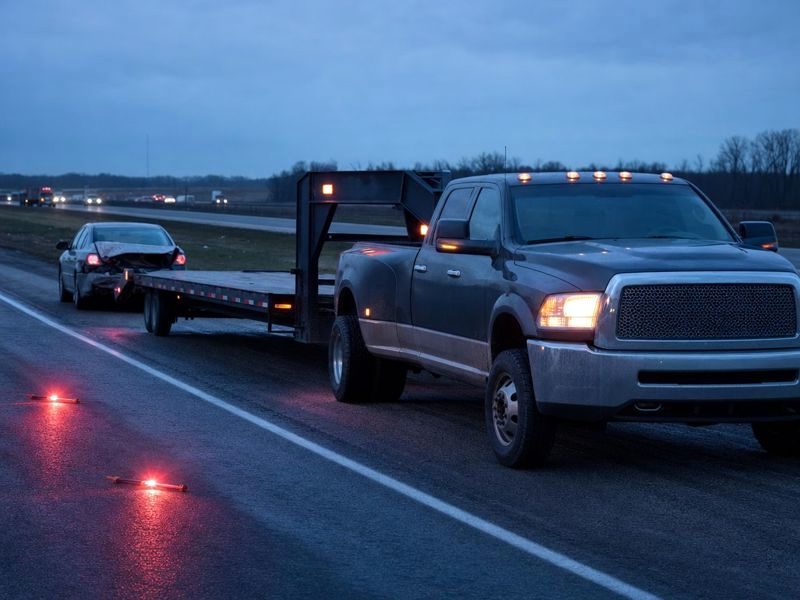 LiabilityPays for injuries and damage your truck causes to other people. The federal minimum is $300,000 to $5,000,000.
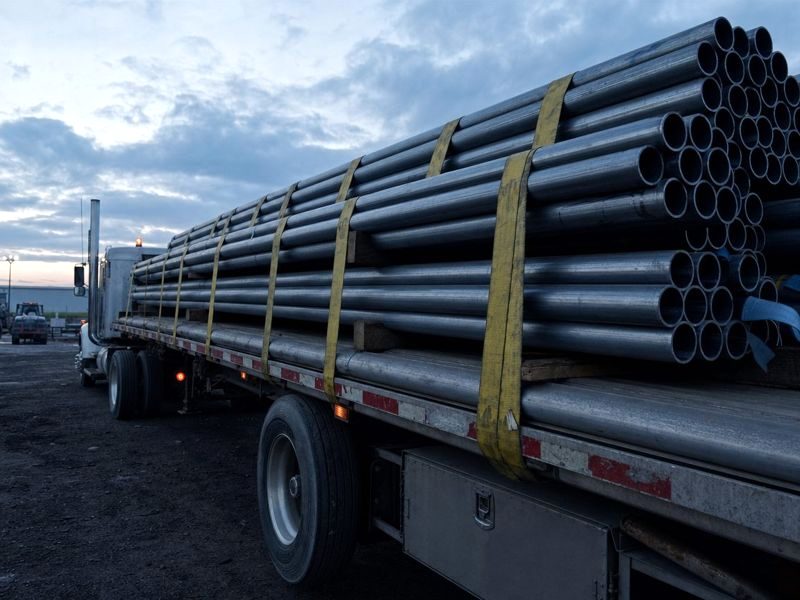 Motor truck cargoPays for the load you haul if it is damaged or stolen. Most brokers ask for $100,000.
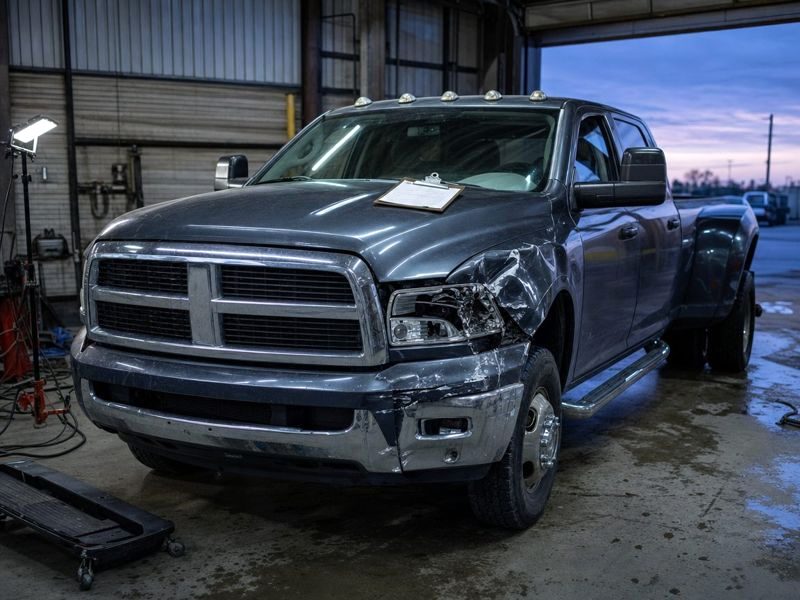 Physical damageRepairs or replaces your own truck and trailer after a crash, fire or theft.
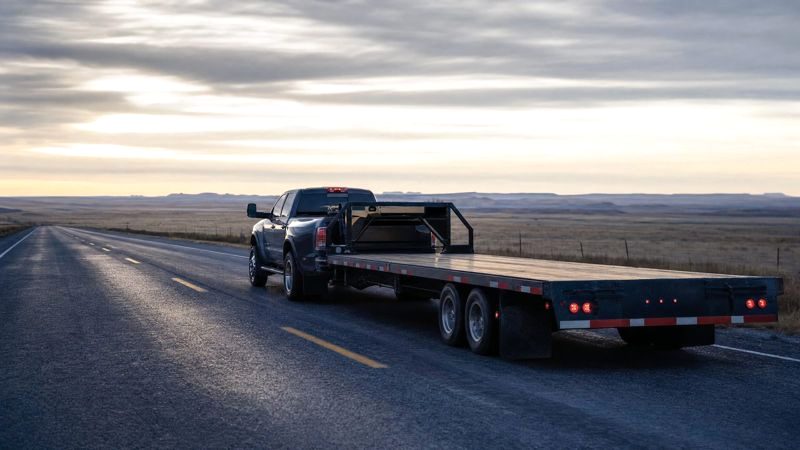 Non-trucking liabilityCovers a driver working for a trucking company who uses the truck between loads, off the job.
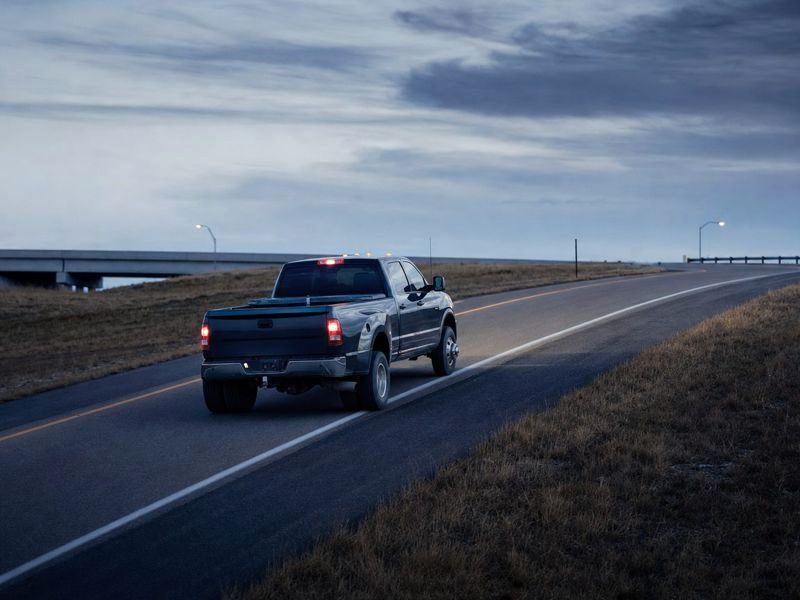 BobtailCovers a truck you drive for a trucking company when it has no trailer, such as a pickup heading home after dropping a load.
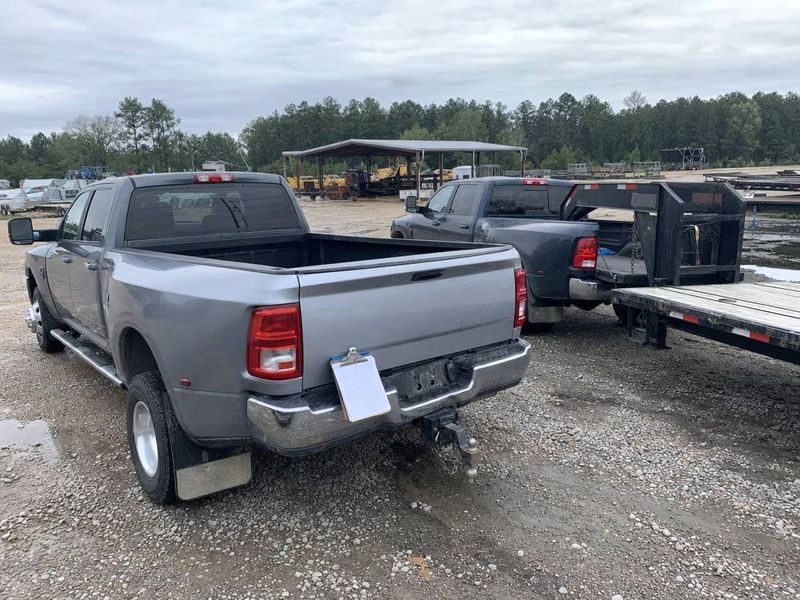 Trailer interchangePays for damage to a trailer you pull for someone else under a written trailer-sharing agreement.
| Rule | When it kicks in |
|---|---|
| At least $300,000 in liability | Hauling general freight for hire across state lines, truck and trailer under 10,001 pounds |
| At least $750,000 in liability | Hauling general freight for hire across state lines, 10,001 pounds and up |
| $1,000,000 to $5,000,000 in liability | Placarded hazmat, oil or hazardous waste, set by the material |
| USDOT number | Truck over 10,000 pounds hauling across state lines, or placarded hazmat; many states ask for one in-state too |
| DOT medical card | Driving a truck over 10,000 pounds across state lines, or carrying placarded hazmat |
| CDL | A single truck rated 26,001 pounds or more, or truck and trailer rated 26,001 pounds or more with a trailer rated over 10,000 pounds |
| ELD | Drivers who must keep logs on more than 8 days in any 30; trucks with an engine older than model year 2000 are exempt |
Liability limits from 49 CFR 387.9, the CDL rule from 49 CFR 383.91 and the ELD rule from 49 CFR 395.8.
An ELD is a device that logs your hours behind the wheel. Progressive's hotshot page notes that hotshot drivers typically don't need one, thanks to smaller rigs and shorter hauls. Some freight companies still ask for a CDL even when the law doesn't require one.
Coverages Progressive offers for trucks
Every commercial vehicle has to carry liability; it's the foundation of any policy. It's known as primary liability and must meet the federal minimum across state lines: $300,000 for a for-hire rig rated under 10,001 pounds, $750,000 from 10,001 pounds. Most brokers ask for $1,000,000. When you're at fault in a road accident, it covers injuries, property damage, and cleaning up spilled cargo.
Cargo insurance is often something clients demand in their contracts. You can layer on more coverage as your jobs call for it:
- Motor truck cargo: pays when freight is lost or damaged on the road, plus the customer's shipping costs when a load never shows up. Cargo Plus builds in automatic protection against rust, corrosion, and water damage.
- Physical damage: covers harm to your own vehicles, whether from striking an object, theft, or vandalism.
- Trailer interchange: protects non-owned trailers while they're with you, even if not hooked to your truck. A formal interchange agreement is required.
- Rental reimbursement with downtime: covers a rental truck, or replaces lost income, while yours is being repaired.
- Heavy truck roadside assistance: helps with towing, winching, jump-starts, fuel delivery, locksmith help, and flat tire replacement, for both the truck and an attached trailer.
- General liability: covers injuries or damage tied to business activity that isn't driving.
- Bobtail: protects the truck when it's driven for business with no trailer.
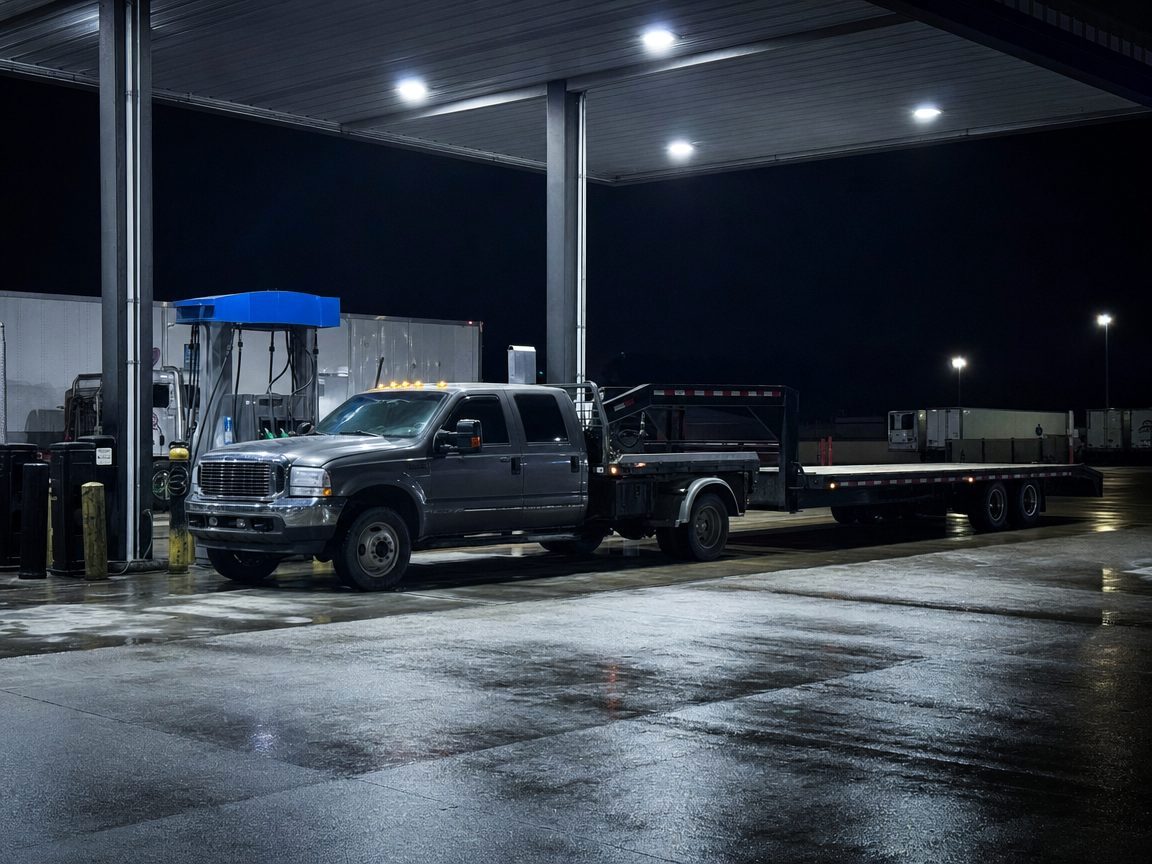
Progressive trucking insurance cost and savings
What shapes your price: the kind and size of truck, your cargo, how far you drive, and your record behind the wheel. Progressive skips outside premium financing, so monthly payments don't rack up interest.
You can get discounts for carrying multiple policies, paying the full amount up front, and covering your personal vehicles with Progressive too.
- Smart Haul: new customers who sign up save an average of $1,261 by running an ELD.
- Snapshot ProView: new customers who don't have an ELD save an average of 6%. If your business runs 3 or more vehicles, you get fleet management tools at no cost.
Not every state offers these programs, and savings aren't promised. When your policy renews, your driving data could push the premium up or down.
Filings after you buy
Once you apply for your operating authority, which is your federal permission to haul for hire, Progressive sends the required insurance paperwork to the government for you. Here are the forms you might hear about:
- BMC-91: shows the FMCSA, the federal agency that oversees trucking, that you carry the liability insurance interstate hauling needs.
- BMC-91X: the same proof of liability, on the form used when more than one company provides your insurance.
- MCS-90: an endorsement, or add-on to your liability policy, that guarantees the public is paid for injuries or damage your truck causes, up to the federal minimum, even when the policy itself would not pay; you then owe the insurer that money back. It stays attached to your policy and isn't filed with the FMCSA.
- BOC-3: names your process agents for work across state lines; a process agent company files it for you, not Progressive.
- Form E: certifies that your liability coverage satisfies the financial responsibility rules of your state.
| Step | Who handles it | Fee | When |
|---|---|---|---|
| OP-1 application for your MC number | You | $300 | First |
| BOC-3 process agents | A process agent company, for you | Set by that company | Before your authority goes active |
| BMC-91 or BMC-91X | Your insurer | None to you | Within 20 days of your application appearing in the FMCSA Register |
| UCR registration | You | From $55 a year for 0 to 2 trucks | Every year |
| Form E | Your insurer, to the state | Set by the state | Only when a state asks for one |
Hotshot rigs and what they need
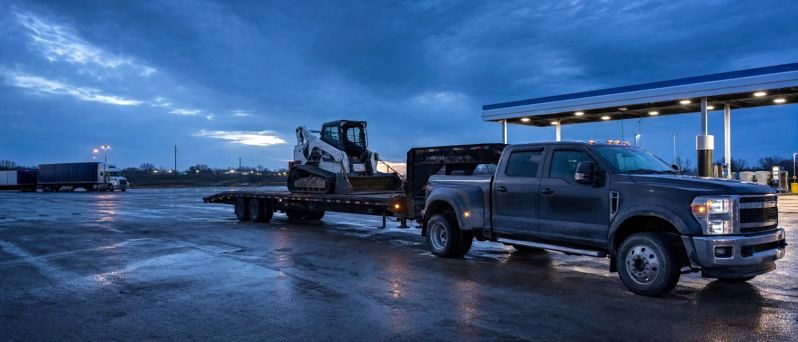 Dually with a gooseneckA pickup with double rear wheels and a trailer that hitches in the truck bed. Most are rated 10,001 pounds or more together, so the minimum is $750,000.
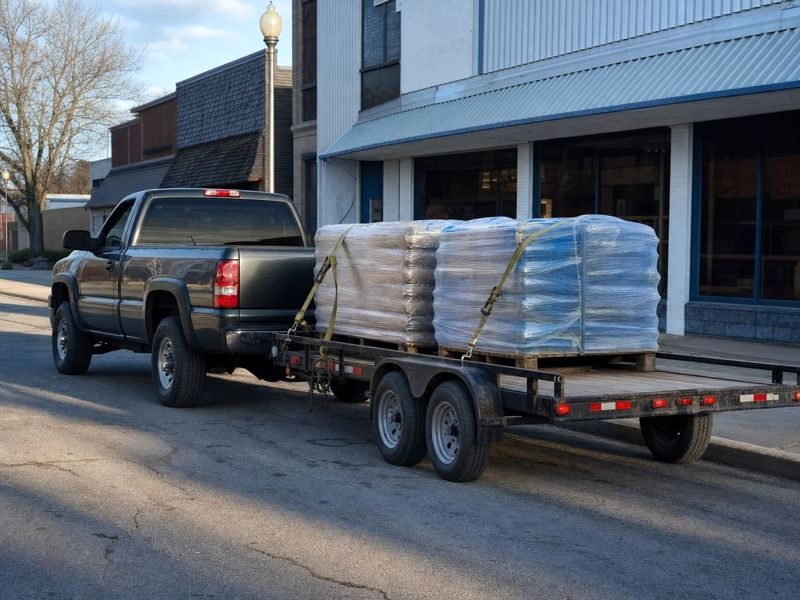 Bumper-pull flatbed behind a pickupAn open trailer on the back bumper of a pickup. Rated under 10,001 pounds together, the minimum is $300,000; at 10,001 pounds or more, $750,000.
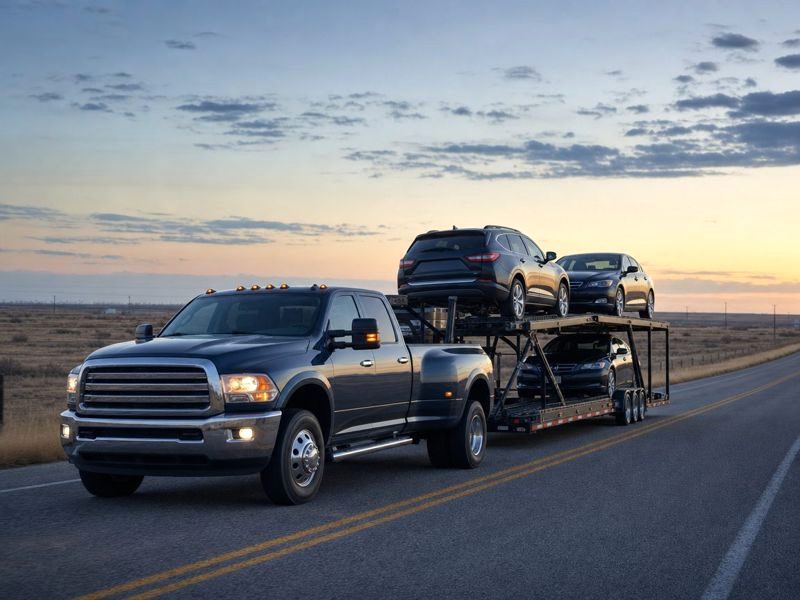 Car haulerA trailer built to carry cars. The same minimum by weight, plus cargo insurance for as much as the cars are worth.
Insurers that write small trucks and hotshots


One independent agent can quote several of these for the same truck. Logos belong to their owners; none of these companies runs this site.
Common questions
How much insurance is needed for hotshot?
Interstate hauling with a vehicle rated at 10,001 pounds or higher calls for a minimum of $750,000 in liability. If your fleet has nothing but vehicles below 10,001 pounds, the floor is $300,000. Plenty of brokers look for $1,000,000 of auto liability plus $100,000 of cargo coverage.
What's the monthly cost of hotshot insurance?
According to one source, hotshot truckers average $896 a month for commercial auto insurance, plus $32 a month for general liability. Your price will hinge on your truck, cargo, miles, and driving record.
What's the best insurance for hotshots?
If you run under your own authority, your policy covers all personal use. When you're leased to a carrier, coverage often applies to business use only, so non-trucking liability fills the gap during your off hours.
Who answers the phone line?
Hotshot Insure doesn't sell or quote insurance. When you call, you'll reach an independent insurance agent who writes truck policies, not Progressive or any other insurer named here.
Sources
- Hotshot Trucking Insurance (Progressive Commercial)
- Financial responsibility, minimum levels (49 CFR 387.9)
- Carrier Resources: FAQs (C.H. Robinson)
- Commercial Truck Insurance (Progressive Commercial)
- Hotshot insurance cost (Trucking Insurance Services)
- How much is hotshot insurance (Trucker Path Insurance)
- Section 383.91 (49 CFR 383.91)
- Section 395.8 (49 CFR 395.8)
Related
Compare Progressive Commercial with other quotes
Our line reaches an independent insurance agent, not Progressive Commercial. Tell them how you run, your truck and trailer, and the state you are based in.
Call an independent agent: +1 866 403 5064
Hotshot Insure passes your request to one truck insurance agency. We do not sell or quote insurance. An insurance agent quotes your truck.