
Trailer interchange insurance
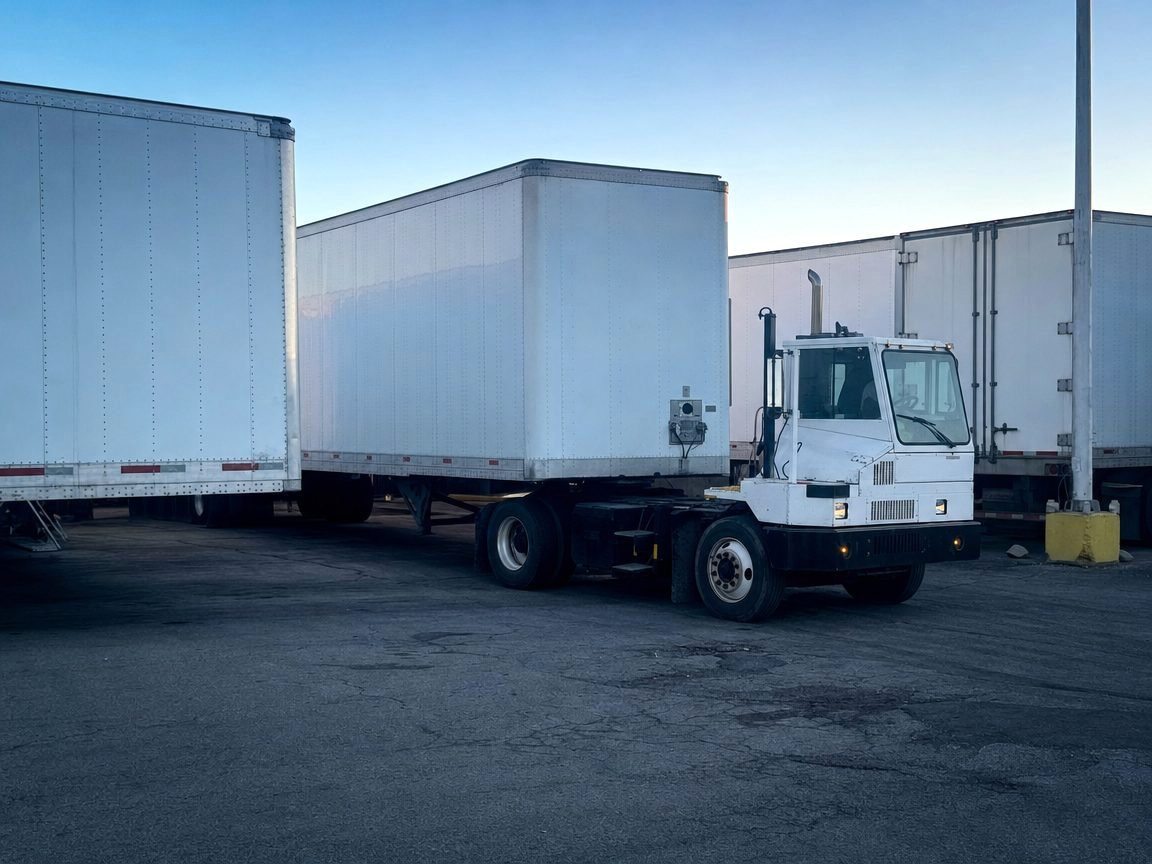
Trailer interchange insurance pays for damage to a trailer that belongs to someone else while you pull it, as long as you have a written interchange agreement. Your own physical damage insurance doesn't cover trailers you don't own, so those trailers need their own coverage.
- When you buy, you pick a limit and a deductible
- Progressive offers this coverage for tractors and pickups only.
- Cost: quoted individually by an agent
How does trailer interchange coverage work?
A trailer interchange agreement is a written contract that hands a trailer off between drivers so a shipment can reach its destination. Whoever has the trailer is usually the one who pays if it gets damaged. If you have a trailer or container you don't own under a written interchange agreement, this coverage can help pay for covered damage while you have it.
This coverage pays when the interchanged trailer is harmed by:
- Fire
- Theft
- Collision
- Vandalism
- Explosion
You have to be holding the trailer under a written agreement. Without a written interchange agreement, you may need non-owned trailer coverage instead. An independent agent who writes trucks can check which one fits your trailer.
Every tractor or pickup on the policy must have at least one trailer shown on it, and that trailer can be yours or someone else's.
What it costs
The price is set by quote, based on the value of the trailers you pull, your chosen limit and deductible, and the routes you run.
When you buy, you'll choose two amounts: a limit, which is the most the insurer will pay, and a deductible, which is the part you pay yourself toward repairs or a replacement.
Progressive's example sets the limit at $20,000 and the deductible at $1,000 for a stolen interchanged trailer:
| Trailer value | What you pay |
|---|---|
| Under $20,000 | The first $1,000 is on you, and insurance pays the rest |
| Over $20,000 | Insurance pays up to the $20,000 limit, and you pay the difference between that and the trailer's value |
Keep in mind this is about what you'd pay after a claim, not the price of the policy itself. If you'd like a price, an independent agent who writes trucks can quote it, and the phone line will connect you. The Progressive page on trailer interchange walks through the whole example.
Questions people ask
How is trailer interchange different from non-owned trailer coverage?
Trailer interchange applies when you haul a trailer with a written interchange agreement in place; non-owned trailer coverage applies when there's no such agreement. A truck agent can point you to the right fit.
Does trailer interchange replace liability insurance?
No. Trailer interchange pays for damage to the trailer in your possession. Liability is a separate coverage. If you haul other people's freight for pay across state lines in a truck rated 10,001 lbs or more, the law requires at least $750,000 in liability.
Does Hotshot Insure sell this coverage?
No. Hotshot Insure neither sells nor quotes insurance. Calling the phone line connects you with an independent insurance agent who writes trucks.
Sources
Related
Get your rig priced by an agent
Hotshot Insure does not sell insurance. An independent agent who places hotshot and small truck policies prices your rig by phone, or you can send your details.