Trucking insurance in Minnesota
$100,000 / $300,000 / $50,000 Minnesota intrastate liability minimums for property carriers
State insurance filing required before hauling in Minnesota.
dot.state.mn.usFederal interstate liability minimum at 10,001 lbs or more.
49 CFR 387.9Monthly cost, national figures
$665 to $1,165 a month for an established hotshot with a clean record (Trucking Insurance Services)
$1,000 to $1,800 in the first two years of a new MC number (Trucker Path Insurance)
What moves the priceOwn MC number
$300 for the OP-1 application; you name a BOC-3 process agent, UCR is $55 a year for 0 to 2 trucks, more for bigger fleets (UCR Plan), and your insurer files the BMC-91X within 20 days of FMCSA Register publication.
New authority checklistThe trucking insurance Minnesota enforces starts at $100,000 for each person, $300,000 for each accident, and $50,000 in property damage on any for-hire haul inside the state. To get your Certificate of Registration, your insurer must send Form E to the Minnesota Department of Transportation before you haul anything. If a for-hire truck rated 10,001 lbs or more crosses a state line, at least $750,000 becomes your required liability limit.
Minnesota intrastate trucking insurance requirements
If you haul property for hire inside the state, you must carry at least $100,000 when 1 person is injured or killed, $300,000 for everyone in 1 accident, plus $50,000 for property damage to others, cargo excluded. You stay intrastate when loads are picked up and dropped off inside Minnesota and no state line is crossed. Your authority stays active only if your insurer sends Form E to MnDOT before you haul. The state receives Form E as proof of liability coverage, filed directly by your insurance company.
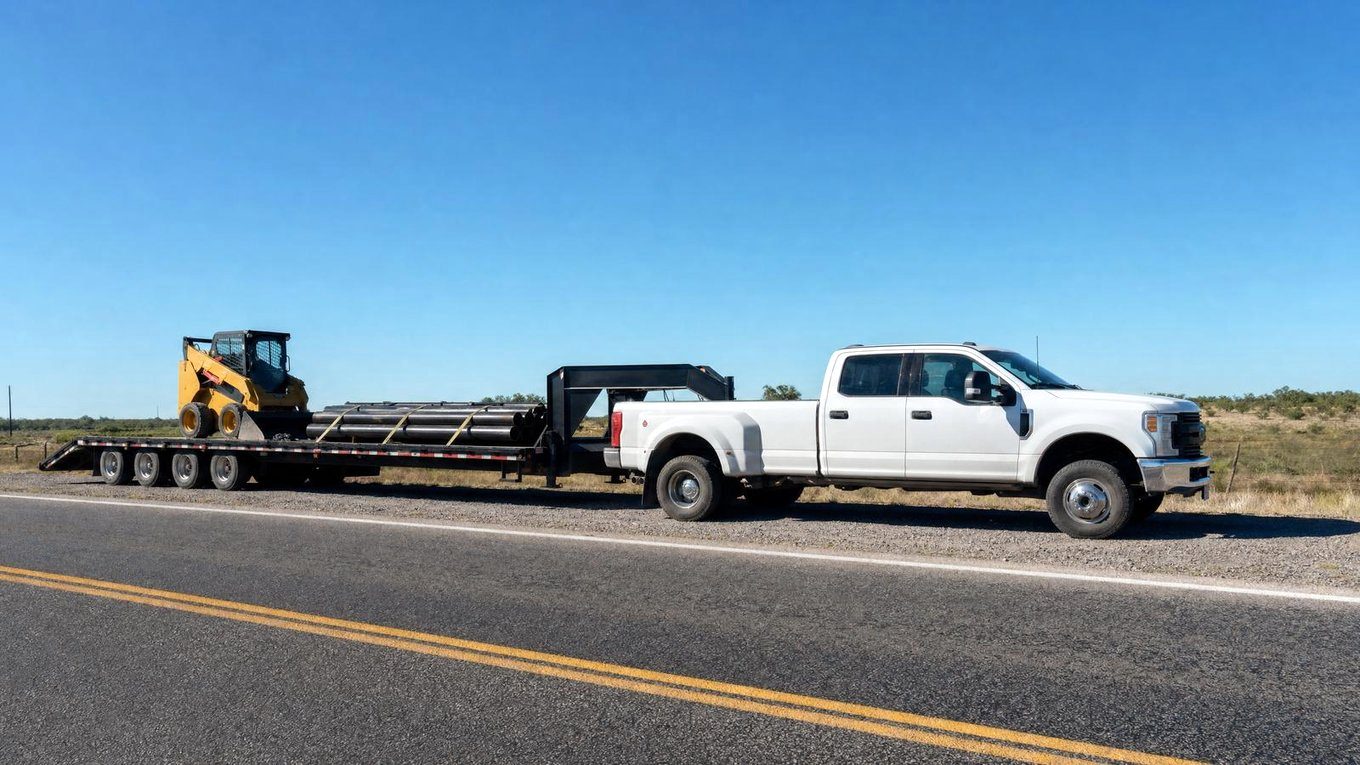
An application to MnDOT's Office of Freight and Commercial Vehicle Operations is the first step toward intrastate for-hire operating authority. Operating authority means the state has formally allowed you to carry someone else's goods for money. Legal operation is not allowed until your Certificate of Registration is in hand.
Household goods movers face added requirements. For a permit application, household goods carriers in Minnesota must have a USDOT number, pay $75 as each vehicle's registration fee, and file Form H proving cargo coverage of at least $50,000. An agent who writes commercial trucks can help Form E and Form H reach MnDOT on time, so your registration isn't delayed.
State auto rules in Minnesota commercial truck insurance
A truck policy issued in the state has to carry Minnesota's required auto limits. Bodily injury is $30,000 for one person and $60,000 when 2 or more are hurt, property damage is $10,000, and the shorthand is 30/60/10, not 30/60/25. Uninsured and underinsured motorist coverage is also required, at $25,000 for each person and $50,000 for accidents with 2 or more people.
Registered vehicles in Minnesota need Personal Injury Protection worth $40,000, on a no-fault basis. Minnesota Department of Commerce rules divide that $40,000 minimum this way: medical bills get $20,000, and other non-medical costs get $20,000. Insurance agents who work with commercial trucks every day can pair your higher motor carrier limits with these state no-fault coverages.
When do federal rules apply to Minnesota trucking insurance?
Haul across a state line, or run as a Minnesota private carrier with a truck or trailer over 10,000 lbs, and federal rules apply. USDOT numbers come in 2 types: intrastate and interstate. The freight on board and the truck's gross vehicle weight determine which federal liability minimums an interstate for-hire carrier must meet. Your truck plus the load it carries make up gross vehicle weight. The filing to the Federal Motor Carrier Safety Administration may be a BMC-82 bond, BMC-91X, or Form BMC-91, sent by your insurer.
The government minimum is just the floor. Big freight brokers such as C.H. Robinson want $1,000,000 in auto liability plus $100,000 in cargo coverage from carriers, despite federal law requiring only $750,000 or $300,000. To set limits that meet federal rules and suit brokers you want to haul for, talk with a trucking insurance agent.
Coverage types in a truck policy
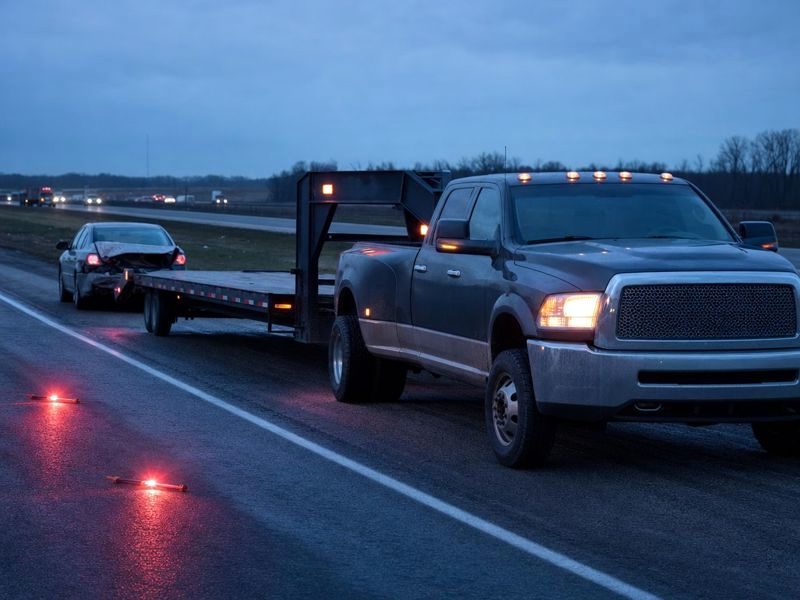 LiabilityPays for injuries and damage your truck causes to other people. The federal minimum is $300,000 to $5,000,000.
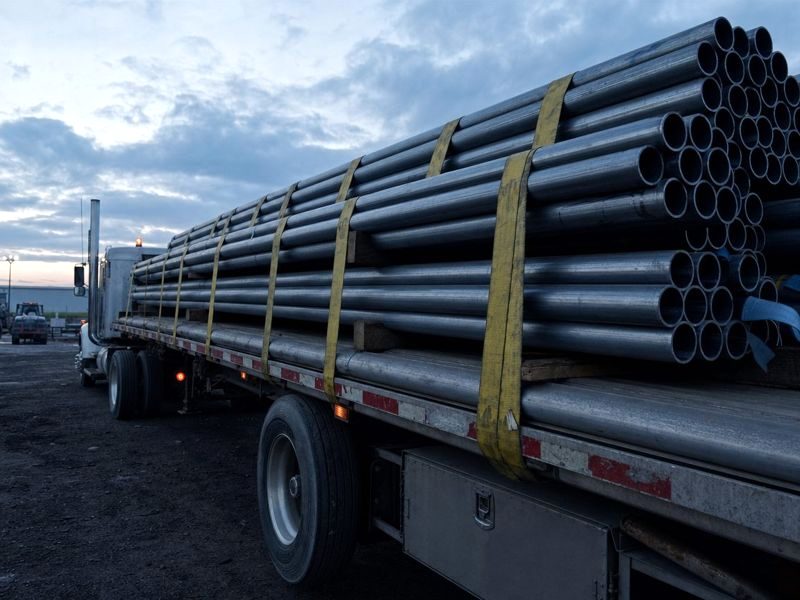 Motor truck cargoPays for the load you haul if it is damaged or stolen. Most brokers ask for $100,000.
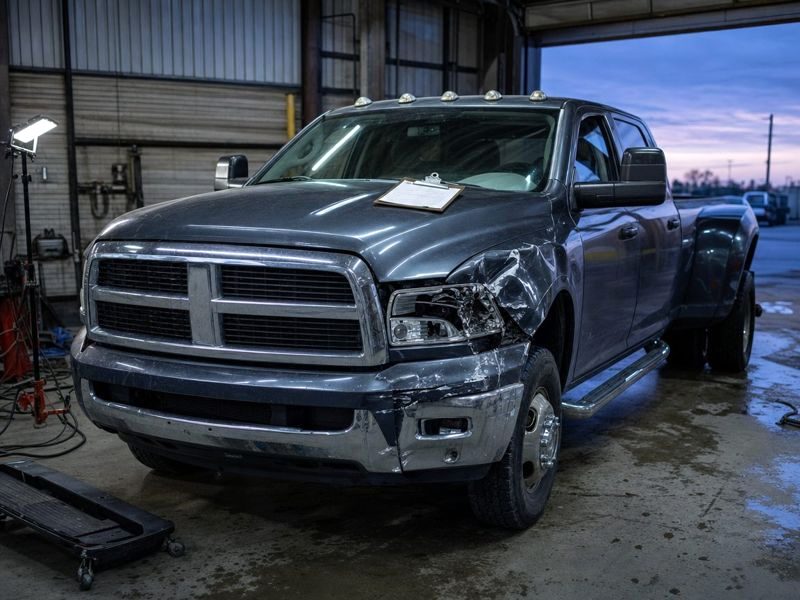 Physical damageRepairs or replaces your own truck and trailer after a crash, fire or theft.
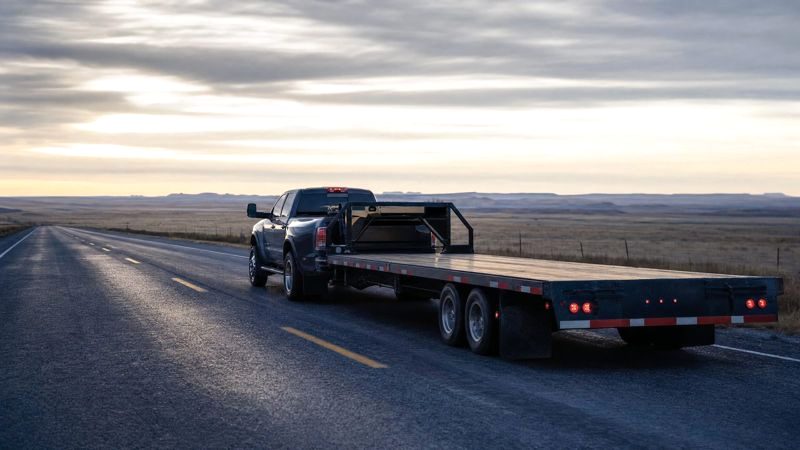 Non-trucking liabilityCovers a driver working for a trucking company who uses the truck between loads, off the job.
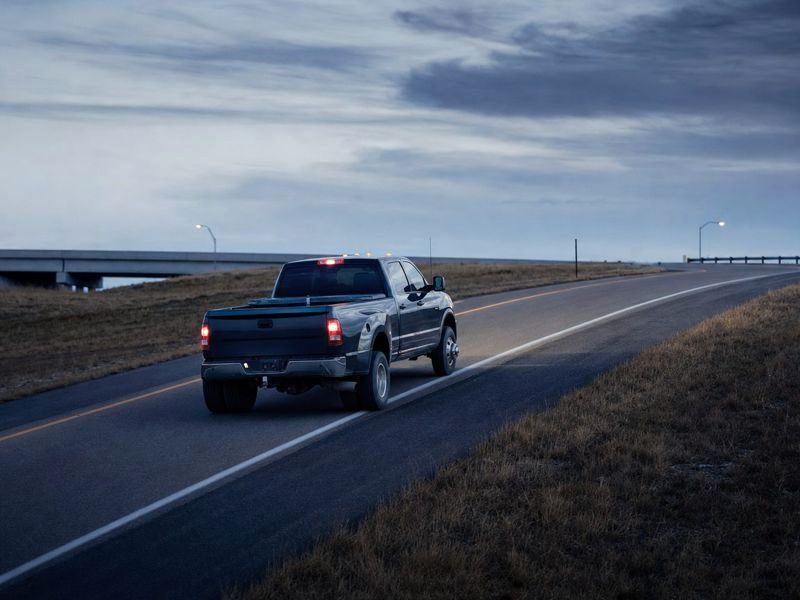 BobtailCovers a truck you drive for a trucking company when it has no trailer, such as a pickup heading home after dropping a load.
 Trailer interchangePays for damage to a trailer you pull for someone else under a written trailer-sharing agreement.
| Carrier operation | Minimum liability limit | Required filing |
|---|---|---|
| Minnesota base auto minimum | $30,000 / $60,000 / $10,000 | No filing required |
| Minnesota intrastate for-hire property | $100,000 / $300,000 / $50,000 | Form E with MnDOT |
| Minnesota intrastate household goods | $100,000 / $300,000 / $50,000 plus $50,000 cargo | Form E and Form H with MnDOT |
| Interstate for-hire with all vehicles under 10,001 lbs | $300,000 | Form BMC-91, BMC-91X, or BMC-82 bond |
| Interstate for-hire non-hazardous at 10,001 lbs or more | $750,000 | Form BMC-91, BMC-91X, or BMC-82 bond |
| Hazardous interstate materials such as oil, waste, or placarded freight | $1,000,000 | Form BMC-91, BMC-91X, or BMC-82 bond |
| Bulk hazardous tanks, radioactive materials, poison gas, or explosives | $5,000,000 | Form BMC-91, BMC-91X, or BMC-82 bond |
State exemptions, safety ratings, and USDOT numbers
MnDOT's site lists a $0 fee for an intrastate USDOT number, though its page has a typo saying 'no free' instead of no fee. Maintain a clean safety record. Minnesota refuses operating authority when an applicant's USDOT safety rating is unsatisfactory.
Certain local haulers are exempt from Minnesota operating authority. An experienced truck insurance agent can help you buy the right policy and skip unneeded state filings:
- Farm products: farm goods moved no farther than 100 miles from your home post office do not need Minnesota operating authority.
- Newspapers: use a vehicle rated 10,000 lbs or under for newspapers and comparable printed items, and the state operating-authority exemption applies.
Questions people ask
Once my Minnesota Certificate of Registration arrives, what happens next?
Property motor carriers in Minnesota must complete Initial Motor Carrier Contact education no later than 90 days after their Certificate of Registration arrives. Your state application must also include accurate workers' compensation information, since omitting it or reporting it falsely carries a $2,000 penalty.
In Minnesota, do I have to display my USDOT number on my truck's side?
For-hire intrastate carriers in Minnesota must mark their vehicles no matter the weight, while private intrastate carriers must mark any vehicle over 10,000 lbs. The federal vehicle marking rule applies in Minnesota, so your signs have to be readable in daylight from 50 feet away while the truck is parked.
When registering my truck in Minnesota, do I have to report my USDOT number?
If your truck's gross vehicle weight is over 10,000 lbs, you must give your USDOT number to the Minnesota Commissioner of Public Safety when you register. Your number needs to be ready before you go in to register the truck.
Sources
- Motor Carriers of Property (dot.state.mn.us)
- Financial responsibility, minimum levels (49 CFR 387.9)
- Carrier Resources: FAQs (C.H. Robinson)
- Minnesota truck book, section 6 (dot.state.mn.us)
- Minnesota auto insurance guide (mn.gov)
- Minnesota Commerce auto insurance tips (mn.gov)
- Insurance filing requirements (FMCSA)
- Minnesota truck book, section 15 (dot.state.mn.us)
Related
Insuring a truck in Minnesota
A trucking agent who places policies in Minnesota can quote it by phone, or you can send your details.
A quote costs nothing, and you do not have to buy.