Trucking insurance in Montana
$750,000 Federal liability minimum for interstate trucks 10,001 lbs or heavier
How often all Montana carriers must file Form MCS-150.
mdt.mt.govDriving record lookback insurers use to rate commercial policies.
csimt.govMontana minimum liability limits for bodily injury and property.
mca.legmt.govMonthly cost, national figures
$665 to $1,165 a month for an established hotshot with a clean record (Trucking Insurance Services)
$1,000 to $1,800 in the first two years of a new MC number (Trucker Path Insurance)
What moves the priceOwn MC number
$300 for the OP-1 application; you name a BOC-3 process agent, UCR is $55 a year for 0 to 2 trucks, more for bigger fleets (UCR Plan), and your insurer files the BMC-91X within 20 days of FMCSA Register publication.
New authority checklistThe trucking insurance Montana law calls for begins at $25,000 for each injured person and $50,000 for each accident, plus $20,000 toward property damage. Federal rules mandate $300,000 up to $5,000,000. Montana took on the federal motor carrier regulations, covering state-only haulers as well. That means federal steps govern your registration and safety filings from day 1. An agent who insures commercial trucks can line up your policy limits and filings with the loads you expect to haul.
Montana intrastate trucking insurance requirements and agency filings
If you haul intrastate, every load you pick up and deliver stays inside Montana, with no state line crossed. Some states run separate local registries, but Montana Motor Carrier Services has taken on the federal motor carrier rules for carriers working intrastate or interstate. The state agency takes your company details directly from your federal registration when setting up your new account.
All carriers, intrastate haulers included, must file biennial MCS-150 updates because Montana adopted the federal rules. Your company files the MCS-150, the standard federal form, to keep its basic contact details and its truck count current. Every 24 months you must send in the form, even if nothing has changed. You must also sign in at least every 90 days to the FMCSA Portal; otherwise your account may be deactivated. An insurance agent who works on truck registrations each week helps you keep your policy filings and state account in line.
Montana commercial truck insurance rules and proof of coverage
Montana state law sets minimums every policy must carry. It requires at least $25,000 for 1 person injured or killed, and $50,000 for 2 or more people hurt or killed in 1 accident. The property damage minimum is $20,000 for each accident. Under this minimum-limits law, insurers may not add a reduced limits endorsement to any policy issued under it.
Under the Montana Motor Vehicle Division definition, a commercial auto policy is coverage written on a commercial, garage, or truckers form. It is rated through a commercial manual or a rating rule. The Montana Insurance Verification System can't check commercially insured vehicles electronically. So your proof of insurance card typically shows 'fleet' or 'commercially insured'. Agents who write commercial trucks can get your policy issued on the right truckers form. That gives you the proper cab cards needed for roadside checks.
Do you need higher Montana trucking insurance limits to cross state lines?
Once your truck crosses a state line, federal insurance minimums that depend on vehicle weight and cargo start to apply. If you operate for-hire, you get paid to haul another person's freight, not freight of your own. Interstate carriers must carry anywhere from $300,000 to $5,000,000 in coverage under federal liability limits.
For your interstate authority to go active, your insurer must first submit proof of liability coverage to the Federal Motor Carrier Safety Administration. The proof goes in on Form BMC-91 or BMC-91X, or as a BMC-82 bond instead. Your insurance company sends Form BMC-91 or BMC-91X to federal regulators; this electronic filing proves your liability coverage is active.
Often, meeting the legal minimum is only the 1st step toward getting loads booked. For instance, C.H. Robinson looks for $1,000,000 in auto liability plus $100,000 in cargo liability from carriers. An agent who understands freight broker rules helps you choose coverage limits that keep your load paperwork from being held up.
Coverage types in a truck policy
 LiabilityPays for injuries and damage your truck causes to other people. The federal minimum is $300,000 to $5,000,000.
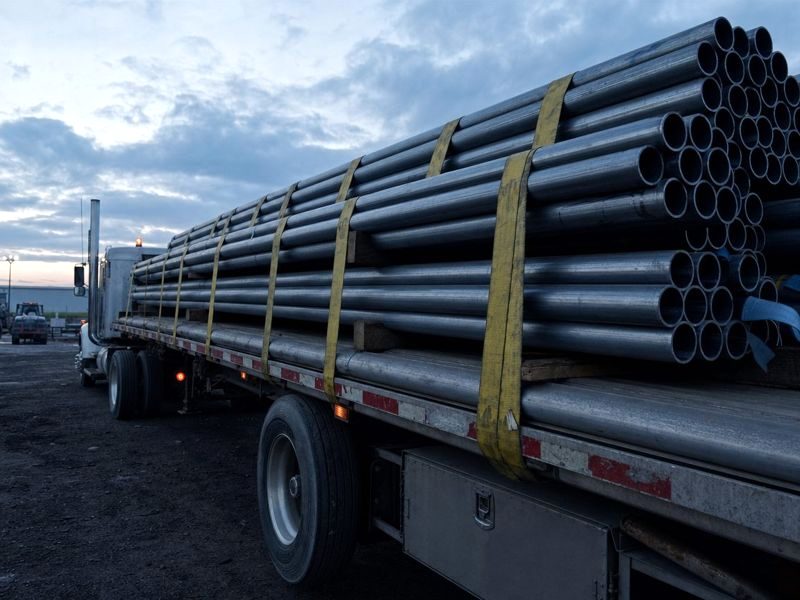 Motor truck cargoPays for the load you haul if it is damaged or stolen. Most brokers ask for $100,000.
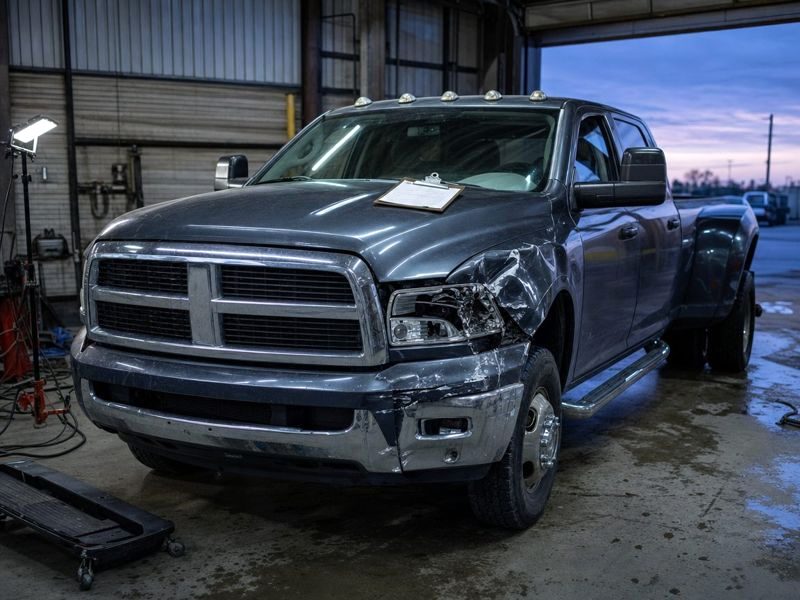 Physical damageRepairs or replaces your own truck and trailer after a crash, fire or theft.
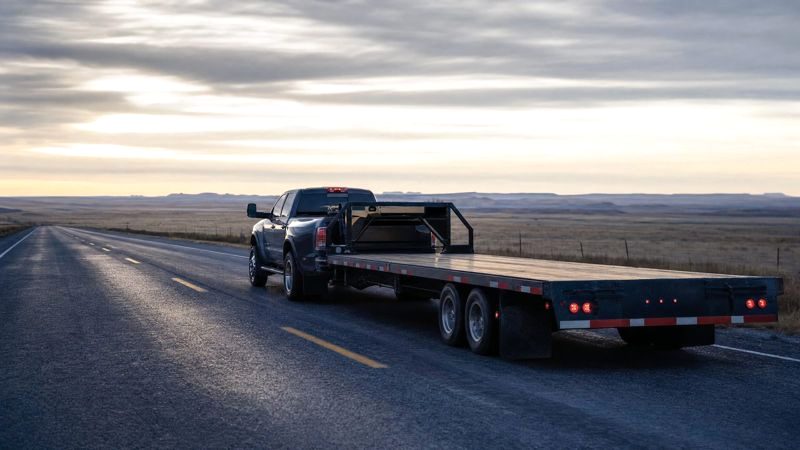 Non-trucking liabilityCovers a driver working for a trucking company who uses the truck between loads, off the job.
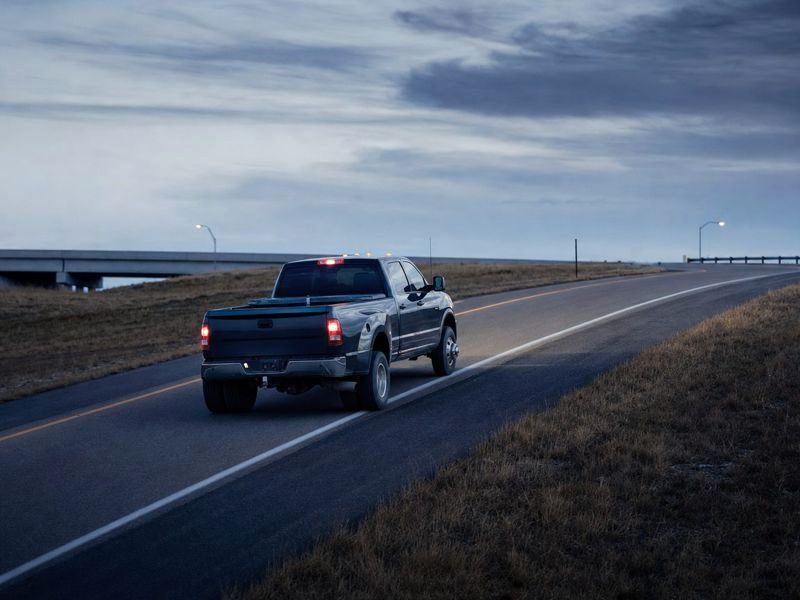 BobtailCovers a truck you drive for a trucking company when it has no trailer, such as a pickup heading home after dropping a load.
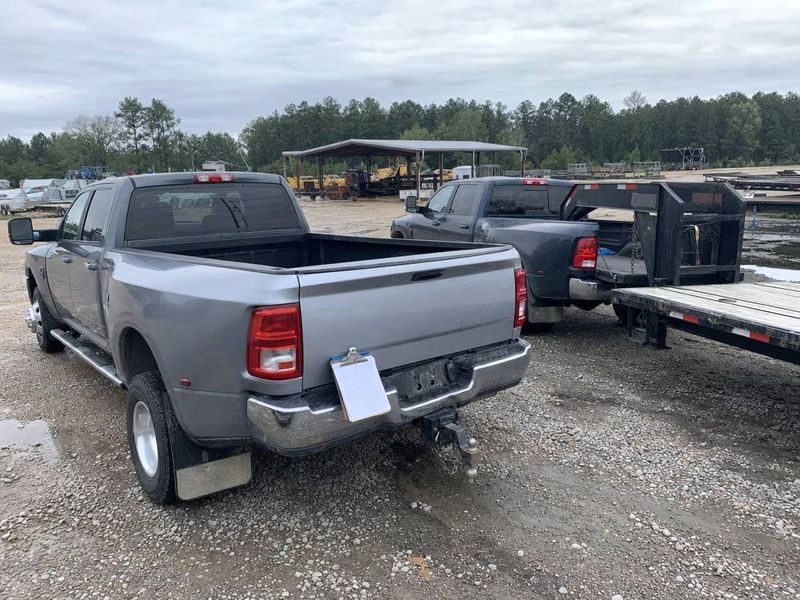 Trailer interchangePays for damage to a trailer you pull for someone else under a written trailer-sharing agreement.
| Carrier and cargo type | Federal minimum liability limit |
|---|---|
| For-hire property carriers with fleets made up only of vehicles under 10,001 lbs | $300,000 |
| For-hire carriers moving non-hazardous property with a vehicle rated at 10,001 lbs or more | $750,000 |
| For-hire carriers hauling certain hazardous materials, such as placarded loads, oil, and hazardous waste | $1,000,000 |
| For-hire and private carriers hauling hazardous substances in bulk tanks, explosives, poison gas, or radioactive materials | $5,000,000 |
Montana truck policies: driving records and coverage rules
The Montana Commissioner of Securities and Insurance reports that insurers base commercial auto premiums on 5 years of your past driving record, not 3 years like personal auto policies. Uninsured motorist coverage has to be part of every policy, unless you sign a form turning it down in writing. A truck insurance agent helps you compare carrier options against your record, since insurers rate 5 years of driving history differently.
Questions people ask
If my registered Montana truck is not being used, do I still need insurance on it?
Yes, Montana requires minimum liability insurance on any registered vehicle, even one that is parked and not being driven. If you drop coverage on a registered truck, you open yourself up to state penalties for being uninsured. Before you change coverage on a truck that sits idle, review your options with your truck insurance agent.
If you drive an uninsured truck in Montana, what penalties could you face?
For a 1st no-insurance offense, Montana sets a $250 to $500 fine or a jail term of up to 10 days. For a 2nd offense, the fine is at least $350 or 10 days in jail, plus a 90-day revocation of your driver license.
Before canceling a Montana truck policy, how much notice must an insurer give you?
At least 10 days' notice must come from your insurer before it cancels a policy for nonpayment of premium. When the cause is anything but nonpayment, the company must give you 45 days' notice if it cancels or non-renews your policy.
Sources
- Financial responsibility, minimum levels (49 CFR 387.9)
- FMCSA (mdt.mt.gov)
- Montana auto insurance guide (csimt.gov)
- 61-6-103. Motor vehicle liability policy minimum limits (mca.legmt.gov)
- Montana MVD vehicle insurance and verification (mvdmt.gov)
- Insurance filing requirements (FMCSA)
- Carrier Resources: FAQs (C.H. Robinson)
Related
Insuring a truck in Montana
A trucking agent who places policies in Montana can quote it by phone, or you can send your details.
A quote costs nothing, and you do not have to buy.