Indiana minimum for 15 or fewer passengers.
in.govFederal minimum for freight over 10,001 pounds.
49 CFR 387.9Monthly cost, national figures
$665 to $1,165 a month for an established hotshot with a clean record (Trucking Insurance Services)
$1,000 to $1,800 in the first two years of a new MC number (Trucker Path Insurance)
What moves the priceOwn MC number
$300 for the OP-1 application; you name a BOC-3 process agent, UCR is $55 a year for 0 to 2 trucks, more for bigger fleets (UCR Plan), and your insurer files the BMC-91X within 20 days of FMCSA Register publication.
New authority checklistYour trucking insurance Indiana filings begin with your insurer submitting Form E for instate authority, or with at least $750,000 in liability if you run heavier trucks across state lines. Plates, fuel tax accounts, and your state authority are handled by the Indiana Department of Revenue. Your limits can be matched to your routes by an agent who writes commercial trucks.
Indiana intrastate trucking insurance requirements
Hauling someone else's goods or passengers for pay means you are a for-hire carrier. New intrastate for-hire carriers and private hazardous materials carriers must file Form IOA-1 plus a Form E insurance filing, according to the Indiana USDOT checklist. Your insurer sends Form E to the state as the certificate showing your coverage is in force. Intrastate for-hire carriers whose vehicle or combination has a gross weight rating under 10,000 pounds also file Form IOA-1 to receive an Indiana ID number.
In Indiana, hauling household goods or passengers for hire requires a Certificate of Public Convenience and Necessity from the Indiana Department of Revenue. Applying costs a non-refundable $100, and processing takes 30 to 60 days (during that time you may not transport). Paperwork delays are less likely when you use an insurance agent who files Form E on a regular basis.
Limits for Indiana commercial truck insurance
What you haul, where you drive, and the gross weight rating of your truck all set your minimum coverage. The manufacturer sets the gross weight rating, meaning the highest safe weight for your vehicle and whatever it carries. Unless you reject it in writing, every newly written policy must carry uninsured and underinsured motorist coverage, and basic auto liability in Indiana is 25/50/25.
State or federal limits for commercial carriers run higher, and freight brokers often ask for amounts above those. C.H. Robinson, for instance, asks carriers for $100,000 in cargo liability along with $1,000,000 in auto liability. An agent who works with commercial truck insurance can give you quotes for the legal minimum and for what brokers expect.
| Carrier and cargo type | Vehicle size or passenger count | Minimum liability coverage |
|---|---|---|
| Indiana intrastate for-hire passengers | 15 passengers or fewer | $1,500,000 |
| Indiana intrastate for-hire passengers | 16 passengers or more | $5,000,000 |
| Interstate for-hire non-hazardous property | Fleet with only vehicles under 10,001 pounds | $300,000 |
| Interstate for-hire non-hazardous property | Vehicle rated 10,001 pounds or more | $750,000 |
| Placarded hazardous materials, oil, or hazardous waste hauled interstate for hire | Any vehicle weight | $1,000,000 |
| Bulk hazardous substances, explosives, poison gas, or radioactive materials, interstate or private | Any vehicle weight | $5,000,000 |
How do I set up Indiana trucking insurance filings?
Electronic proof of liability insurance must go directly from your insurer to the government before your authority goes live. If you haul for hire across state lines, your insurer must file Form BMC-91, BMC-91X, or a BMC-82 bond with the Federal Motor Carrier Safety Administration.
Coverage types in a truck policy
 LiabilityPays for injuries and damage your truck causes to other people. The federal minimum is $300,000 to $5,000,000.
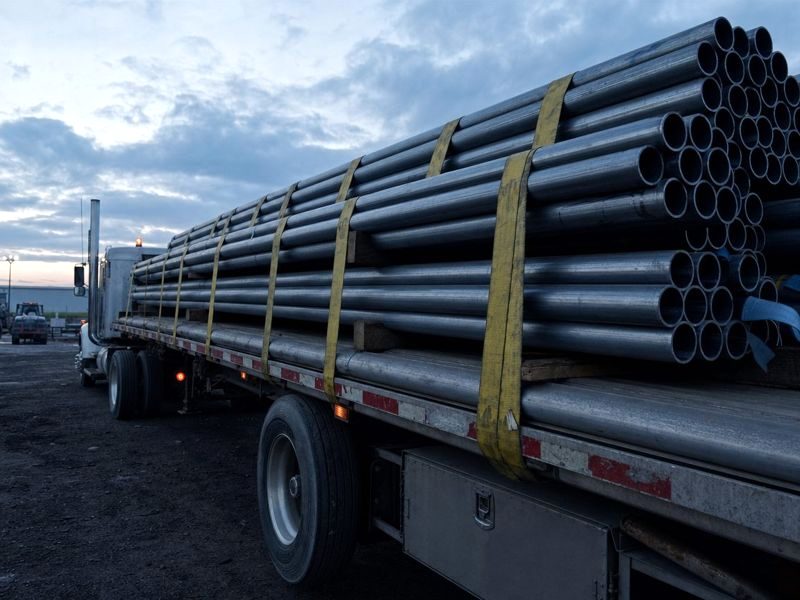 Motor truck cargoPays for the load you haul if it is damaged or stolen. Most brokers ask for $100,000.
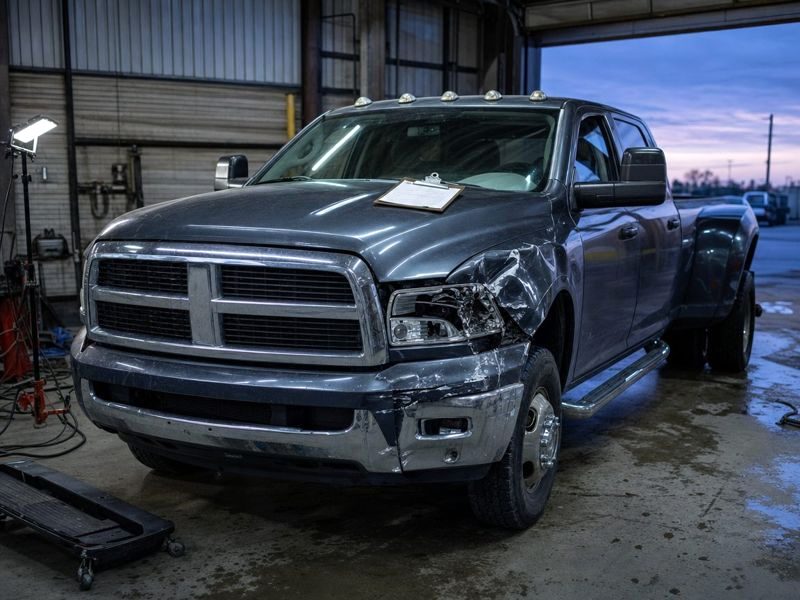 Physical damageRepairs or replaces your own truck and trailer after a crash, fire or theft.
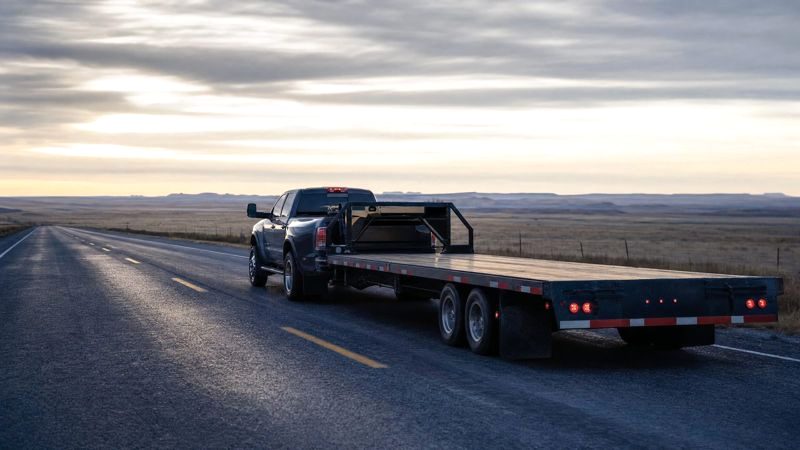 Non-trucking liabilityCovers a driver working for a trucking company who uses the truck between loads, off the job.
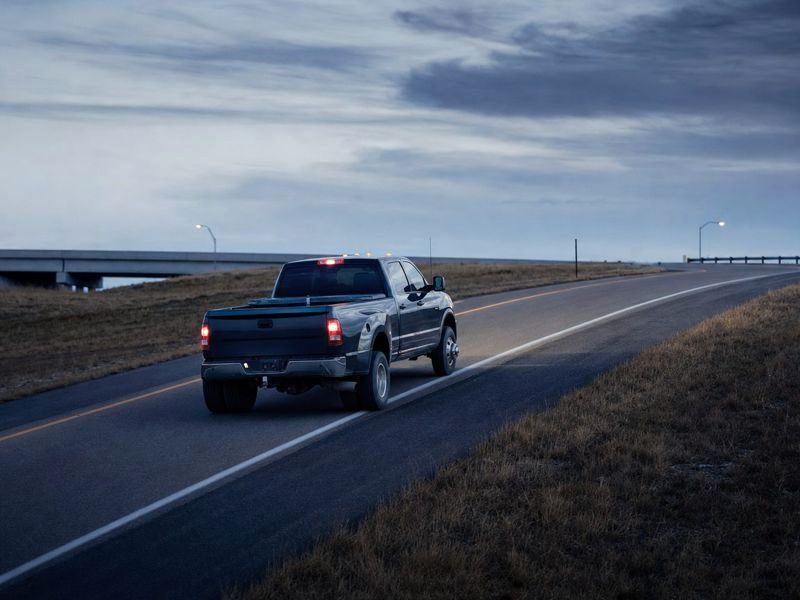 BobtailCovers a truck you drive for a trucking company when it has no trailer, such as a pickup heading home after dropping a load.
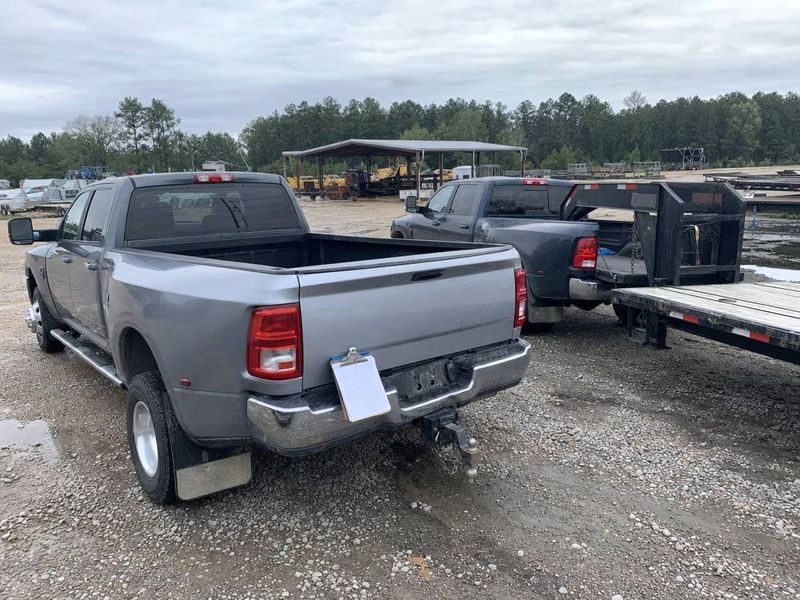 Trailer interchangePays for damage to a trailer you pull for someone else under a written trailer-sharing agreement.
At the federal level, minimums begin at $300,000 if a fleet has only vehicles below 10,001 pounds and climb to $750,000 for any vehicle rated 10,001 pounds or higher. Filings get rejected over one small typo in a business name, which is why having an experienced trucking insurance agent manage your policy saves time.
Fuel taxes, truck plates, and permits from the state
Oversize and overweight permitting, IFTA, and IRP are managed by Indiana DOR Motor Carrier Services, which also issues USDOT numbers. IFTA and IRP are agreements between states that divide plate fees and fuel taxes among every state where you drive. Your coverage will be ready at vehicle registration time if you speak with a truck insurance agent early.
- Fuel tax returns: Any business with motor vehicles over 26,001 pounds on Indiana roads is required to file a fuel tax return.
- Opening new accounts: To get a new IRP or IFTA account, you must schedule a visit to the Motor Carrier Services Customer Service Center.
- Filing electronically: Under Indiana law, you must complete IRP and Base Plate Registration transactions online.
- Base Plate deadline: Commercial vehicles that qualify and are registered with the Indiana BMV also need Motor Carrier Services registration under the Base Plate program. The deadline is March 1, 2027.
- Special permits: Indiana offers Yard Tractor, Repair and Maintenance, 30 Day Hunter, 5 Day Trip IFTA, and 3 Day Trip IRP permits.
Questions people ask
When is my Indiana operating authority up for renewal?
By November 30 each year, you must renew your Indiana passenger and household goods operating authority. On August 1, 2026, Indiana Motor Carrier Services starts taking 2027 Intrastate Operating Authority renewals online.
What are the due dates for Indiana fuel tax and UCR renewals?
In Indiana, the annual fuel tax license renewal period starts September 15, with renewals due by November 15. Each year, UCR registration renewal fees open up on October 1.
What's the deadline for paying an Indiana overweight penalty?
You have 60 days from the proposed assessment letter to pay an Indiana overweight civil penalty. If you pay on time, your state carrier account stays clear.
Sources
- Intrastate operating authority: passengers and household goods (in.gov)
- Financial responsibility, minimum levels (49 CFR 387.9)
- Indiana operating authority checklist (UCR, USDOT) (in.gov)
- Indiana BMV proof of insurance (in.gov)
- Carrier Resources: FAQs (C.H. Robinson)
- Insurance filing requirements (FMCSA)
- Security for the protection of the public: Minimum limits (49 CFR 387.303)
- Motor Carrier Services (in.gov)
Related
Insuring a truck in Indiana
A trucking agent who places policies in Indiana can quote it by phone, or you can send your details.
A quote costs nothing, and you do not have to buy.