Trucking insurance in Massachusetts
$750,000 Federal liability minimum for general freight at 10,001 lbs or more
Monthly cost, national figures
$665 to $1,165 a month for an established hotshot with a clean record (Trucking Insurance Services)
$1,000 to $1,800 in the first two years of a new MC number (Trucker Path Insurance)
What moves the priceOwn MC number
$300 for the OP-1 application; you name a BOC-3 process agent, UCR is $55 a year for 0 to 2 trucks, more for bigger fleets (UCR Plan), and your insurer files the BMC-91X within 20 days of FMCSA Register publication.
New authority checklistCarriers must follow trucking insurance Massachusetts rules that begin with 4 compulsory state coverages and climb to $750,000 or more once you cross state lines. The exact limit you need comes down to your truck's weight rating, your cargo, and your routes. A commercial truck agent helps you line up your policy with federal filings as well as state registration rules.
Massachusetts intrastate trucking insurance requirements
When you haul intrastate, each pickup and drop-off happens inside Massachusetts. The Massachusetts auto insurance rules set 4 compulsory coverages you must carry, even when you never leave the state. Those rules raised their mandatory minimums on July 1, 2025.
Registering a vehicle is all those basic state limits accomplish. The compulsory bodily injury part leaves passengers and out-of-state trips uncovered. A commercial truck insurance agent who handles these policies every day can build coverage around your actual work.
- The Bodily Injury to Others coverage: $25,000 for each person and $50,000 for each accident (accidents inside Massachusetts only, and it never covers your passengers).
- Property Damage: a $30,000 minimum applies to damage you cause to other people's property.
- Personal Injury Protection: medical expenses up to $8,000, up to 75% of your lost wages, and replacement services.
- The Uninsured Auto coverage: $25,000 for each person and $50,000 total for each accident, for injuries an uninsured driver causes.
USDOT numbers for Massachusetts commercial truck insurance
Local motor carriers must get a USDOT number and display it, a Massachusetts Registry of Motor Vehicles requirement since September 1, 2018. The vehicle itself decides whether you need this number, not the way you register it with the state. Gross weight rating means the heaviest your truck, or truck and trailer combination, can be when loaded; look for it on the manufacturer's label posted inside your driver's door frame.
The vehicle weight and cargo class on your policy must line up with what you list on your USDOT record when your insurer writes it. Agents who write trucks daily can verify these details before you buy coverage.
- Any truck or combination whose gross weight rating is 10,001 pounds or more.
- Any vehicle carrying hazardous materials in quantities that call for warning placards on the outside.
- Any vehicle built to carry more than 15 passengers, counting the driver.
Federal filings for Massachusetts trucking insurance
The Federal Motor Carrier Safety Administration minimums become the ones that count once you carry another person's freight over a state line. Your insurance company must send the federal agency proof that you carry liability coverage on Form BMC-91 or BMC-91X. It can also file a BMC-82 bond, but either step must happen before your authority goes active.
A placarded load is a shipment of hazardous materials in a quantity big enough that the truck must show warning signs on the outside. Under the federal cargo and weight rules, your required limit rises from $300,000 for light fleets up to $5,000,000 for high-risk hazmat.
The law may call for $750,000, but major freight brokers like C.H. Robinson still ask carriers for $1,000,000 of auto liability and $100,000 of cargo liability. If the freight you're hauling is damaged or stolen, cargo liability pays for it. With an experienced truck agent, you can choose a limit that meets your brokers' requirements and have BMC-91X filed right when coverage starts.
Coverage types in a truck policy
 LiabilityPays for injuries and damage your truck causes to other people. The federal minimum is $300,000 to $5,000,000.
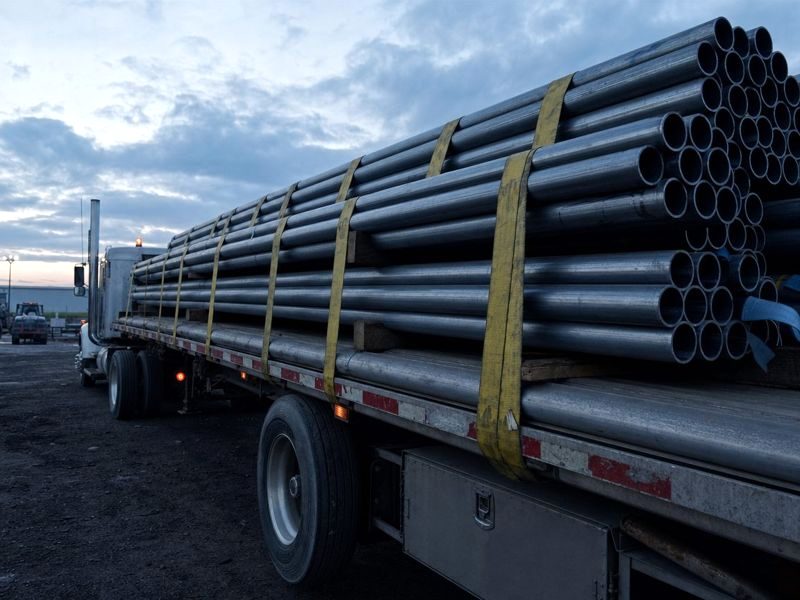 Motor truck cargoPays for the load you haul if it is damaged or stolen. Most brokers ask for $100,000.
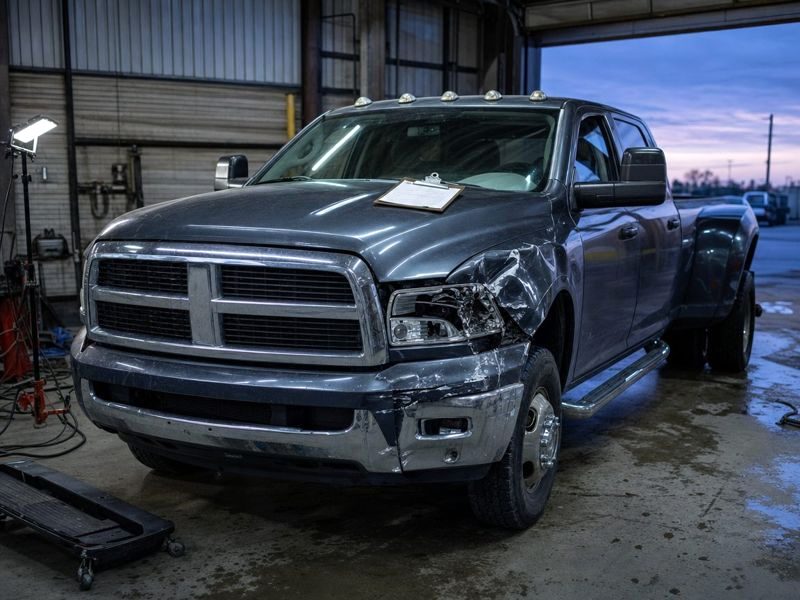 Physical damageRepairs or replaces your own truck and trailer after a crash, fire or theft.
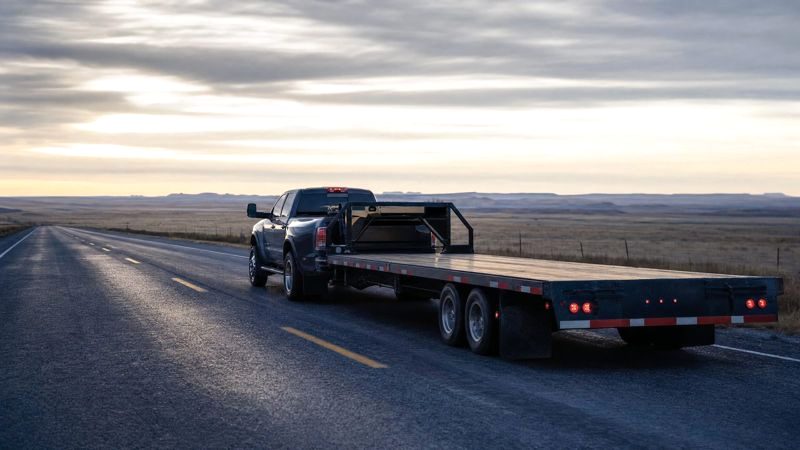 Non-trucking liabilityCovers a driver working for a trucking company who uses the truck between loads, off the job.
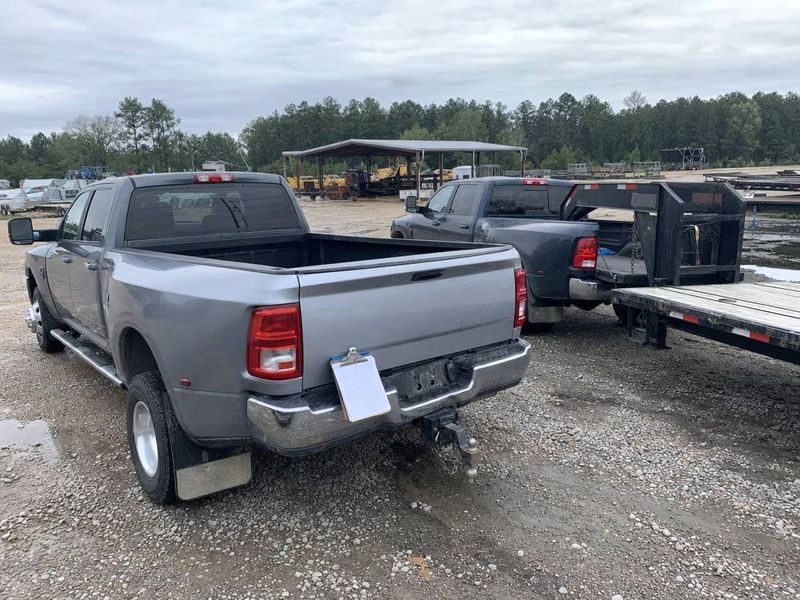
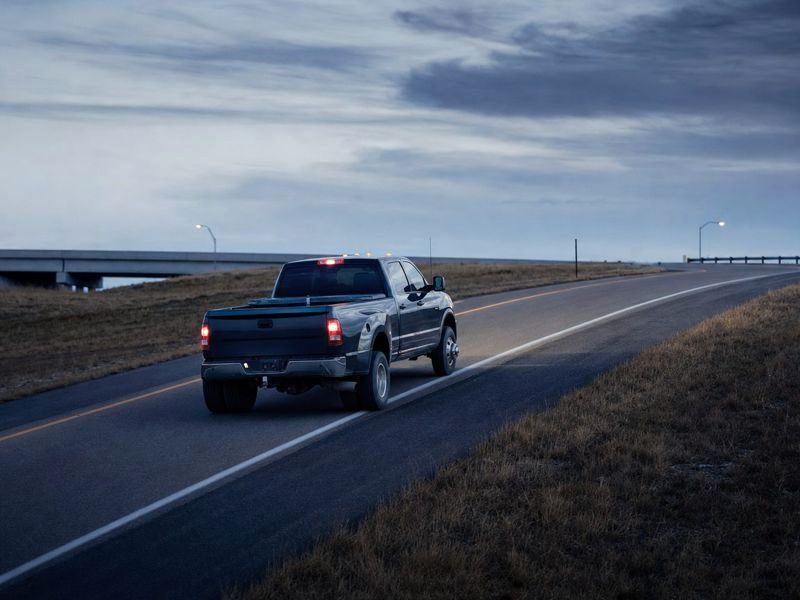 BobtailCovers a truck you drive for a trucking company when it has no trailer, such as a pickup heading home after dropping a load.
 Trailer interchangePays for damage to a trailer you pull for someone else under a written trailer-sharing agreement.
| Carrier and cargo type | Minimum federal liability limit |
|---|---|
| For-hire fleet with only vehicles under 10,001 lbs | $300,000 |
| For-hire non-hazardous freight at 10,001 lbs or more | $750,000 |
| For-hire oil, hazardous waste, or placarded loads | $1,000,000 |
| For-hire or private: radioactive materials, explosives, poison gas, or hazardous substances in bulk | $5,000,000 |
If standard insurers won't take me, where can I get coverage?
Standard insurance companies sometimes say no to new ventures and drivers with past tickets. The Massachusetts auto insurance law sends drivers who have no voluntary insurer option on the open market to the Massachusetts Automobile Insurance Plan, which assigns them a policy.
A commercial truck specialist can send your application to specialty trucking underwriters that still take on new authorities before you turn to the state plan.
Questions people ask
What happens if I operate a commercial truck in Massachusetts with no USDOT number?
State inspectors can issue a civil fine if you drive a covered truck without first getting and displaying a USDOT number. Officers can also have your vehicles placed out of service on the spot until the problem is corrected.
Is a separate USDOT number needed when the truck is leased?
No, the federal registration system gives your company 1 USDOT number for $0. Federal marking rules require you to permanently mark that same number on each covered vehicle you run, leased trucks included.
If I haul only within Massachusetts, which safety rules apply?
Even without leaving the state, federal and state commercial safety rules still apply to you. Follow driver qualification rules, carry a current medical card, and keep vehicle maintenance current.
Sources
Related
Insuring a truck in Massachusetts
A trucking agent who places policies in Massachusetts can quote it by phone, or you can send your details.
A quote costs nothing, and you do not have to buy.