Trucking insurance in New Hampshire
$750,000 Minimum interstate liability for trucks 10,001 lbs and up
Weight where commercial vehicle rules start in state.
nhsp.dos.nh.govFederal form your insurer files to prove liability.
FMCSAMinimum state auto liability limits when required.
mm.nh.govMonthly cost, national figures
$665 to $1,165 a month for an established hotshot with a clean record (Trucking Insurance Services)
$1,000 to $1,800 in the first two years of a new MC number (Trucker Path Insurance)
What moves the priceOwn MC number
$300 for the OP-1 application; you name a BOC-3 process agent, UCR is $55 a year for 0 to 2 trucks, more for bigger fleets (UCR Plan), and your insurer files the BMC-91X within 20 days of FMCSA Register publication.
New authority checklistTrucking insurance New Hampshire law does not mandate auto coverage for every driver, but a 10,001-pound truck that crosses state lines must carry liability of $750,000. Once your truck's weight or rating goes over 10,000 pounds, commercial vehicle rules still apply within the state. Talking with an agent who writes truck policies helps you line up each filing with the routes you run.
New Hampshire intrastate trucking insurance requirements
A Connecticut legislative report says this is the only state where auto insurance is not required for all drivers. Financial responsibility rules still apply to drivers. Showing you can cover crash damage, through a policy or money or securities deposited with the state treasurer, is financial responsibility. The requirement lasts 3 years when coverage becomes mandatory after certain convictions or actions.
If a policy is mandatory, minimum auto liability limits of 25/50/25 come from the New Hampshire Auto Insurance Guide. Uninsured and underinsured motorist coverage, plus medical payments coverage of at least $1,000, must be part of any required policy; the law requires these when you buy personal auto coverage too. Federal commercial vehicle rules take effect once a commercial vehicle over 10,000 pounds, by weight or rating, carries goods or people in intrastate or interstate commerce. Picking limits with a trucking insurance agent helps you protect your truck and freight past what basic state rules require.
Registrations and permits for New Hampshire trucking insurance
IFTA fuel tax and IRP apportioned registration are handled together by the New Hampshire DMV Motor Carrier Services. Under apportioned registration and fuel tax agreements, your plate fees and fuel taxes get divided among the states you drive through. IFTA fuel tax returns go to that same office each quarter, and a state-registered and state-inspected commercial vehicle doesn't also need a federal one. Your policy dates and registration paperwork can be coordinated by an agent who writes commercial trucks.
State weight limits and highway rules
New Hampshire State Police Troop G enforces the rules that let roadside officers check truck dimensions and weights. Your record stays protected when an agent shops your policy if your rig stays within legal limits.
- A single unit or bus may be 45 feet long; a truck-tractor and semi-trailer combination may run 48 or 53 feet, and triple trailers are banned.
- Any load exceeding legal dimensions calls for an over-dimension permit, which the NH DOT issues.
- A standard tractor-trailer with 5 or 6 axles can weigh no more than 80,000 pounds on interstate defense highway system roads.
- Officers must grant vehicles certified in the state to carry extra weight a 5% tolerance on gross weight, plus 10% on axle weight. That tolerance applies on I-89, I-93, and I-95, reaching 99,000 pounds. Trucks with certified overweight loads cannot cross posted bridges or travel the interstate defense highway system.
What does New Hampshire commercial truck insurance require across state lines?
To operate interstate, your vehicle must display an FMCSA-issued USDOT number, and the markings must be legible in daylight from 50 feet while standing still. The federal liability rules set your minimum coverage based on how much the vehicle weighs and what it hauls.
Your insurer proves coverage by sending Form BMC-91, Form BMC-91X, or a BMC-82 bond to federal regulators under the FMCSA filing rules. The electronic filing your insurer submits to activate your interstate authority is Form BMC-91X.
Brokers such as C.H. Robinson want carriers to carry $1,000,000 of auto liability plus $100,000 of cargo liability, even for general freight where federal law allows less. Your BMC-91X filing and the limits brokers ask for can be handled by a trucking agent.
Coverage types in a truck policy
 LiabilityPays for injuries and damage your truck causes to other people. The federal minimum is $300,000 to $5,000,000.
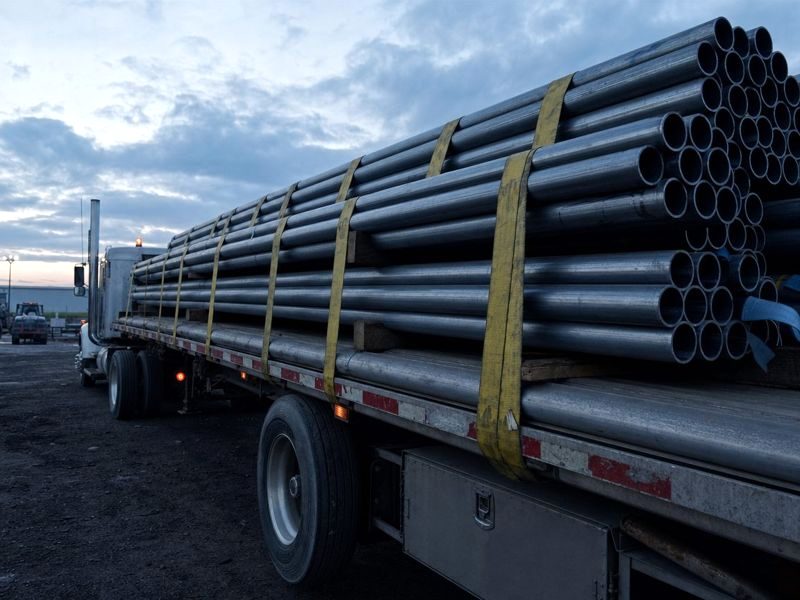 Motor truck cargoPays for the load you haul if it is damaged or stolen. Most brokers ask for $100,000.
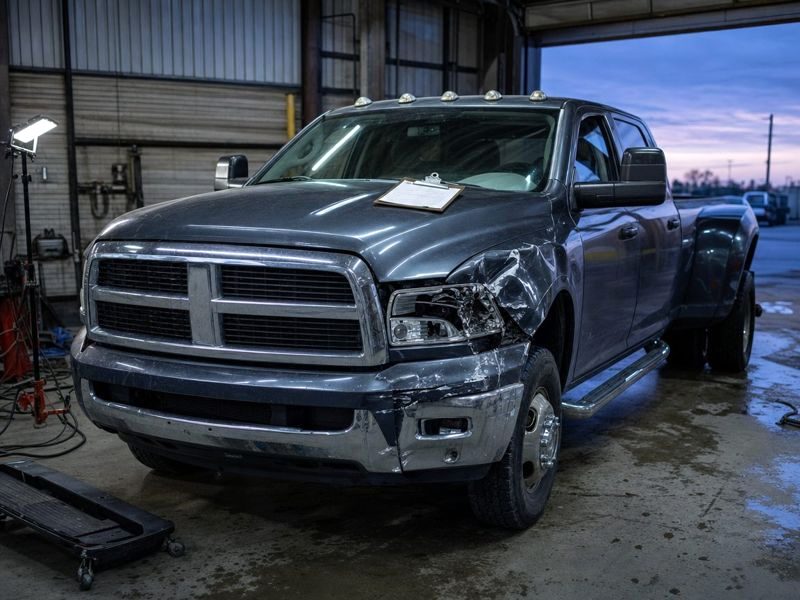 Physical damageRepairs or replaces your own truck and trailer after a crash, fire or theft.
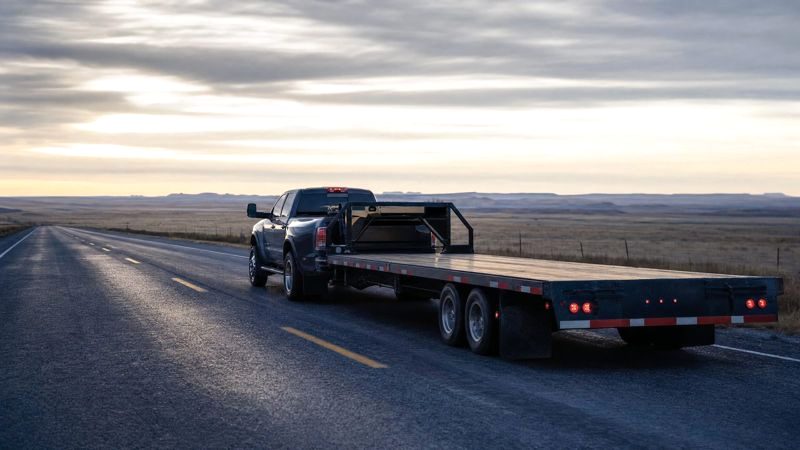 Non-trucking liabilityCovers a driver working for a trucking company who uses the truck between loads, off the job.
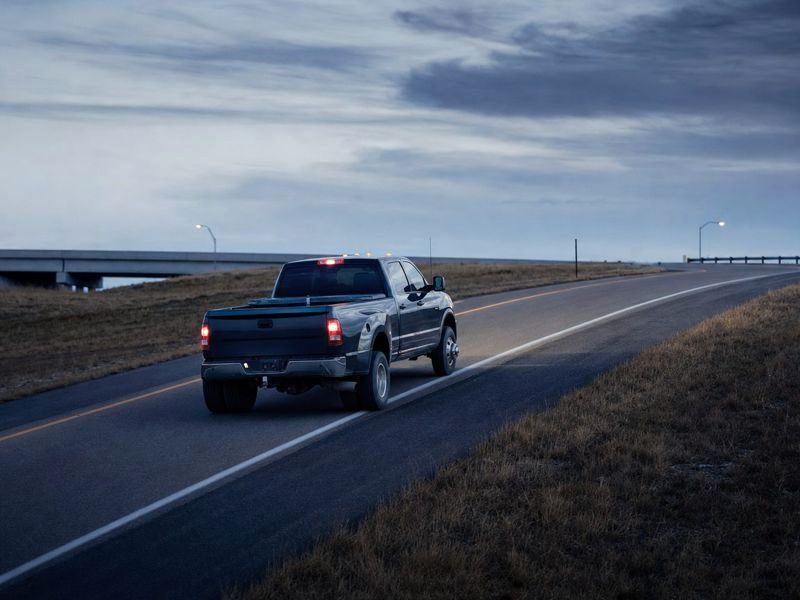 BobtailCovers a truck you drive for a trucking company when it has no trailer, such as a pickup heading home after dropping a load.
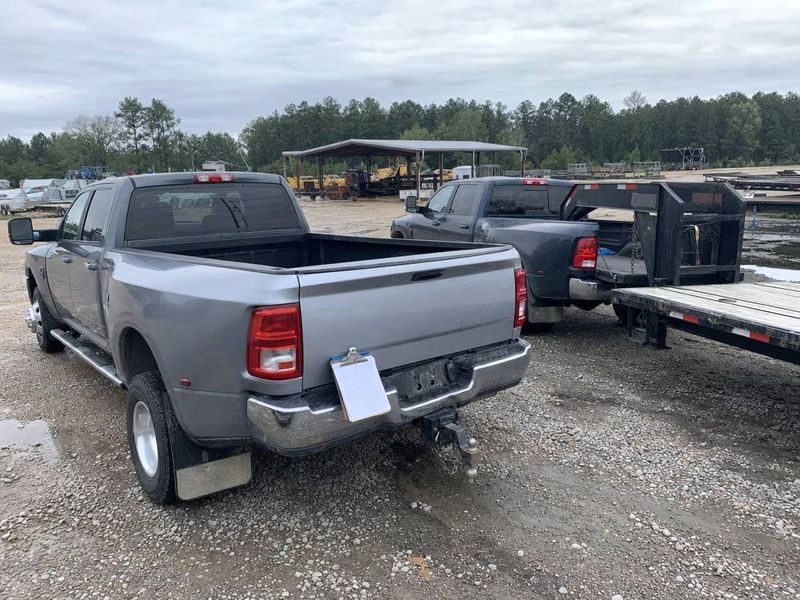 Trailer interchangePays for damage to a trailer you pull for someone else under a written trailer-sharing agreement.
| Carrier and cargo category | Minimum federal liability |
|---|---|
| Carriers of property for hire with only vehicles under 10,001 lbs in the fleet | $300,000 |
| Non-hazardous property carriers for hire whose vehicle is rated 10,001 lbs or more | $750,000 |
| Carriers hauling certain hazardous materials for hire, including placarded loads, oil, and hazardous waste shipments | $1,000,000 |
| Private and for-hire carriers hauling explosives, radioactive materials, poison gas, or bulk hazardous substances | $5,000,000 |
Logbook rules and driver qualifications
Under Troop G motor carrier rules, a driver medical certificate stays valid for at most 2 years; certain conditions allow less. Drivers covered by US CDL requirements (commercial vehicles over 26,000 pounds) fall under drug and alcohol rules. You must also log your hours for every 24-hour period, unless you stay within 100 air miles of where your day begins. Tell an agent about your driving radius and CDL history to get a policy that fits the way you operate.
Questions people ask
What's the farthest a New Hampshire officer can make me drive to a weigh scale?
Officers may make you drive to the nearest scales for weighing, but no farther than 10 miles. Once you're there, the officer may also grant a 5% weight tolerance if he or she chooses.
How much are New Hampshire's overweight truck fines?
For each pound over the legal limit on non-interstate highways, the fine runs $0.02, $0.03, or $0.04. Repeat offenses within a calendar year on interstate defense highways carry a $250 overweight fine.
Where do I go to learn New Hampshire commercial vehicle rules without paying?
Free monthly sessions about commercial vehicle requirements are held by New Hampshire State Police Troop G. Before going on the road, new carriers can use a session as a practical way to check state enforcement rules.
Sources
- New Hampshire State Police Troop G FAQs (nhsp.dos.nh.gov)
- Financial responsibility, minimum levels (49 CFR 387.9)
- Insurance filing requirements (FMCSA)
- New Hampshire auto insurance guide (mm.nh.gov)
- Motor vehicle financial responsibility in New Hampshire (cga.ct.gov)
- New Hampshire DMV Motor Carrier Services (dmv.nh.gov)
- Carrier Resources: FAQs (C.H. Robinson)
Related
Insuring a truck in New Hampshire
A trucking agent who places policies in New Hampshire can quote it by phone, or you can send your details.
A quote costs nothing, and you do not have to buy.