Trucking insurance in Rhode Island
$250k / $500k / $25k Rhode Island intrastate liability minimums
Minimum cargo insurance for intrastate carriers.
webserver.rilegislature.govState fee for each insurance filing.
webserver.rilegislature.govFederal liability minimum for trucks 10,001 lbs and up.
49 CFR 387.9Monthly cost, national figures
$665 to $1,165 a month for an established hotshot with a clean record (Trucking Insurance Services)
$1,000 to $1,800 in the first two years of a new MC number (Trucker Path Insurance)
What moves the priceOwn MC number
$300 for the OP-1 application; you name a BOC-3 process agent, UCR is $55 a year for 0 to 2 trucks, more for bigger fleets (UCR Plan), and your insurer files the BMC-91X within 20 days of FMCSA Register publication.
New authority checklistWhen you haul inside the state, trucking insurance Rhode Island requires at least $250,000 in bodily injury liability per person, $500,000 per accident, plus $25,000 for property damage. Before your permit takes effect, your insurer must provide the state administrator with proof of these limits and a $10 fee. Cross state lines and federal minimums ranging from $300,000 to $5,000,000 take effect.
Rhode Island intrastate trucking insurance requirements
If you pick up and drop off loads without ever leaving Rhode Island, that's intrastate hauling. The Motor Carrier Division regulates your business if you haul property or passengers that belong to someone else for pay (that's for-hire trucking). State law requires proof of insured financial responsibility on file first. Otherwise no certificate or permit for motor carriers can be issued or stay in force.
Rhode Island General Laws Section 39-12-27 sets minimum coverage for intrastate motor carriers. They need at least $250,000 for each person's bodily injury or death and at least $500,000 per accident. Property damage coverage must be at least $25,000, cargo excluded. Common and contract carriers face one more requirement: at least $25,000 of cargo insurance covering property of the shipper or consignee. The state administrator can declare a commodity exempt, but only after giving notice and holding a hearing. Your application keeps moving without delays when a knowledgeable truck insurance agent sets up these exact state limits.
Filing proof of Rhode Island trucking insurance and getting authority
The government's official permission for you to haul freight for pay is called operating authority. In Rhode Island, fitness, willingness, and ability are all that most property carriers working for hire must show to get authority. Movers of household goods face an extra test: proving that public convenience and necessity exist. Every new applicant gets a public hearing before the Motor Carrier Division.
To prove your insurance, an insurer permitted to do business in Rhode Island sends the state administrator a certificate of insurance for you, along with a filing fee of $10. Once your certificate is on file, canceling it requires written notice to the administrator and a wait of 30 days. You save yourself headaches when an agent experienced in commercial truck filings works with you, since their office sends the state certificate straight in.
Can you use basic auto limits instead of Rhode Island commercial truck insurance?
Driving legally in Rhode Island takes auto insurance. Everyday road minimums run $25,000 for bodily injury to one person, $50,000 for each accident injuring 2 or more people, and $25,000 for damage to property.
Drivers can also meet that basic requirement under state rules with a combined single limit of $75,000: 1 total dollar pool covering injuries and property damage from one accident. With only basic auto limits, a motor carrier permit stays out of reach. A trucking insurance agent can walk you through the tiers so you buy the coverage your loads require.
Coverage types in a truck policy
 LiabilityPays for injuries and damage your truck causes to other people. The federal minimum is $300,000 to $5,000,000.
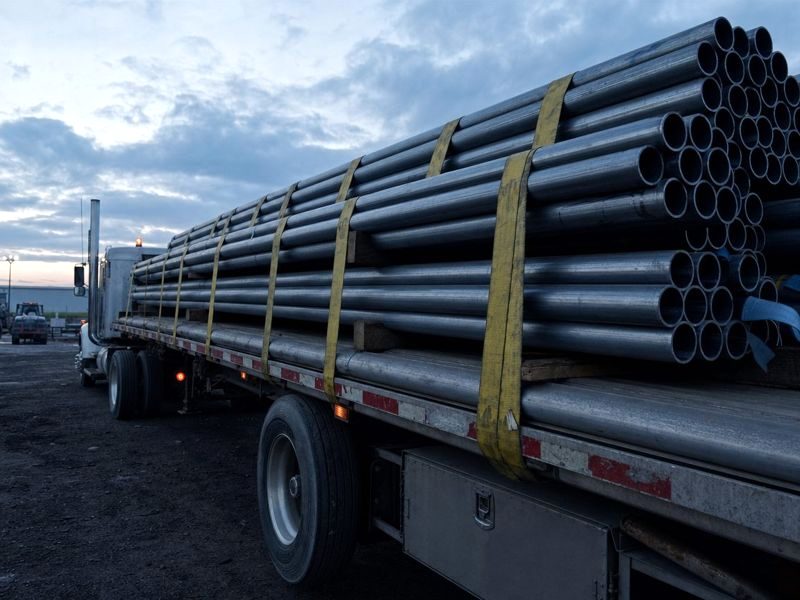 Motor truck cargoPays for the load you haul if it is damaged or stolen. Most brokers ask for $100,000.
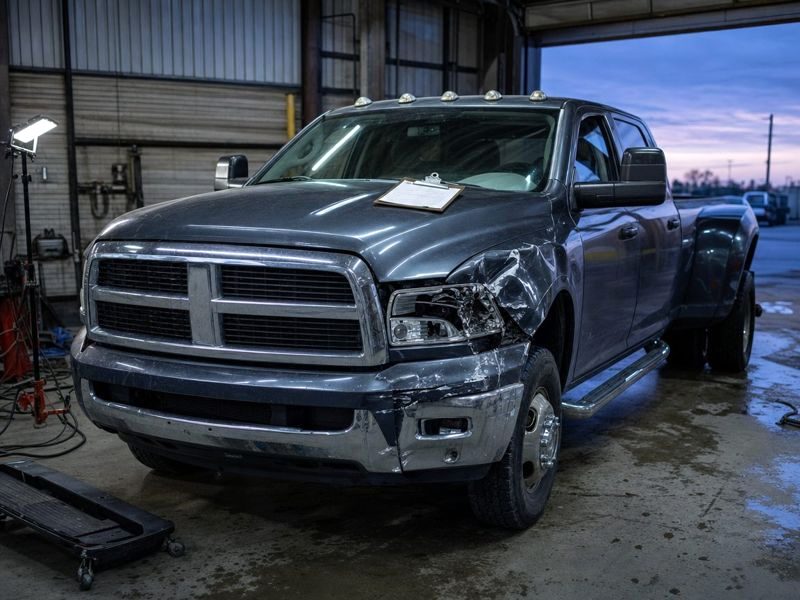 Physical damageRepairs or replaces your own truck and trailer after a crash, fire or theft.
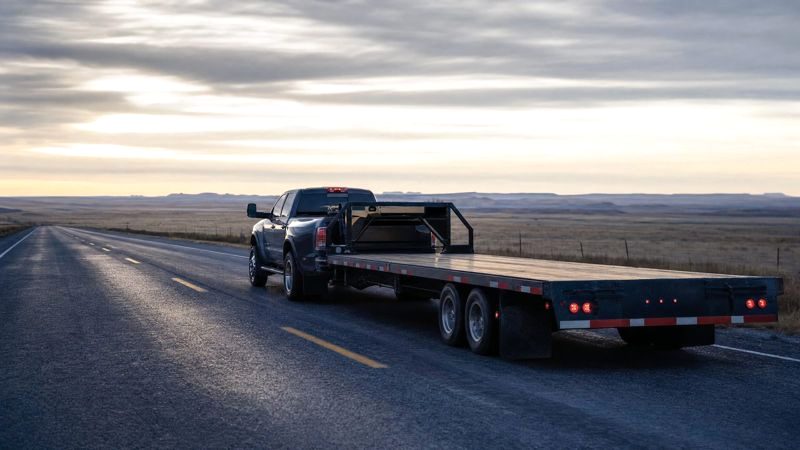 Non-trucking liabilityCovers a driver working for a trucking company who uses the truck between loads, off the job.
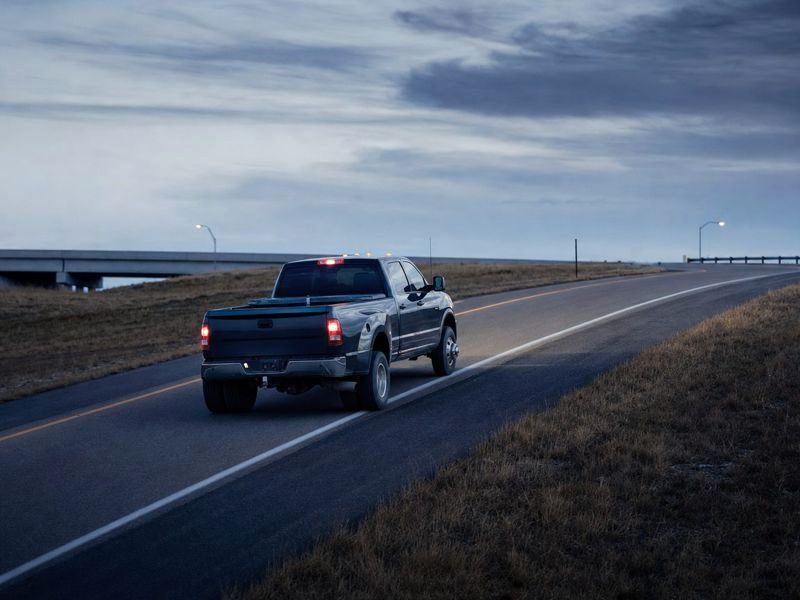 BobtailCovers a truck you drive for a trucking company when it has no trailer, such as a pickup heading home after dropping a load.
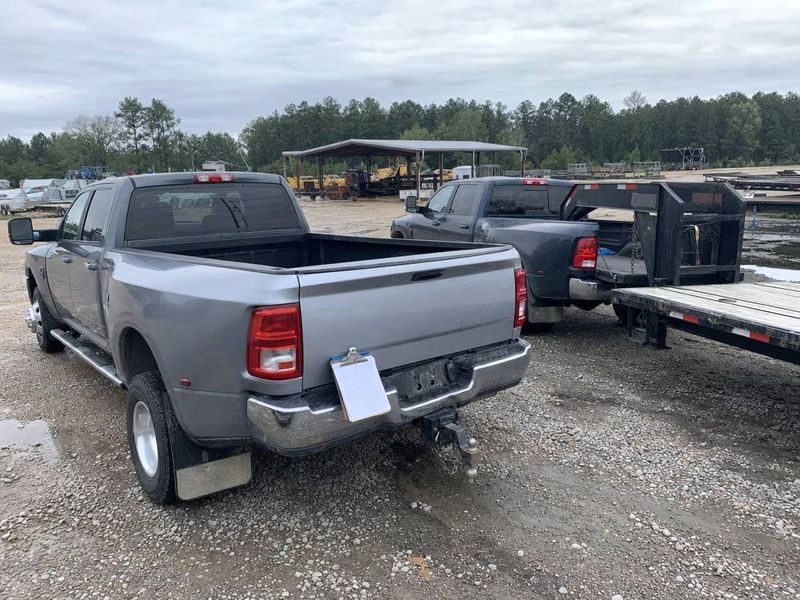 Trailer interchangePays for damage to a trailer you pull for someone else under a written trailer-sharing agreement.
| Operation tier | Minimum liability limit | Minimum cargo limit |
|---|---|---|
| Basic Rhode Island auto policy | $25,000 / $50,000 / $25,000 or $75,000 combined | No cargo minimum |
| Rhode Island intrastate for-hire carrier | $250,000 / $500,000 / $25,000 | $25,000 unless declared exempt |
| Interstate for-hire fleet under 10,001 lbs | $300,000 | None by federal rule |
| Interstate for-hire truck 10,001 lbs or more | $750,000 | None by federal rule |
| Interstate hazardous materials carrier | $1,000,000 or $5,000,000 | None by federal rule |
 C.H. Robinson freight broker requirement | $1,000,000 | $100,000 |
State-line crossings and freight broker rules
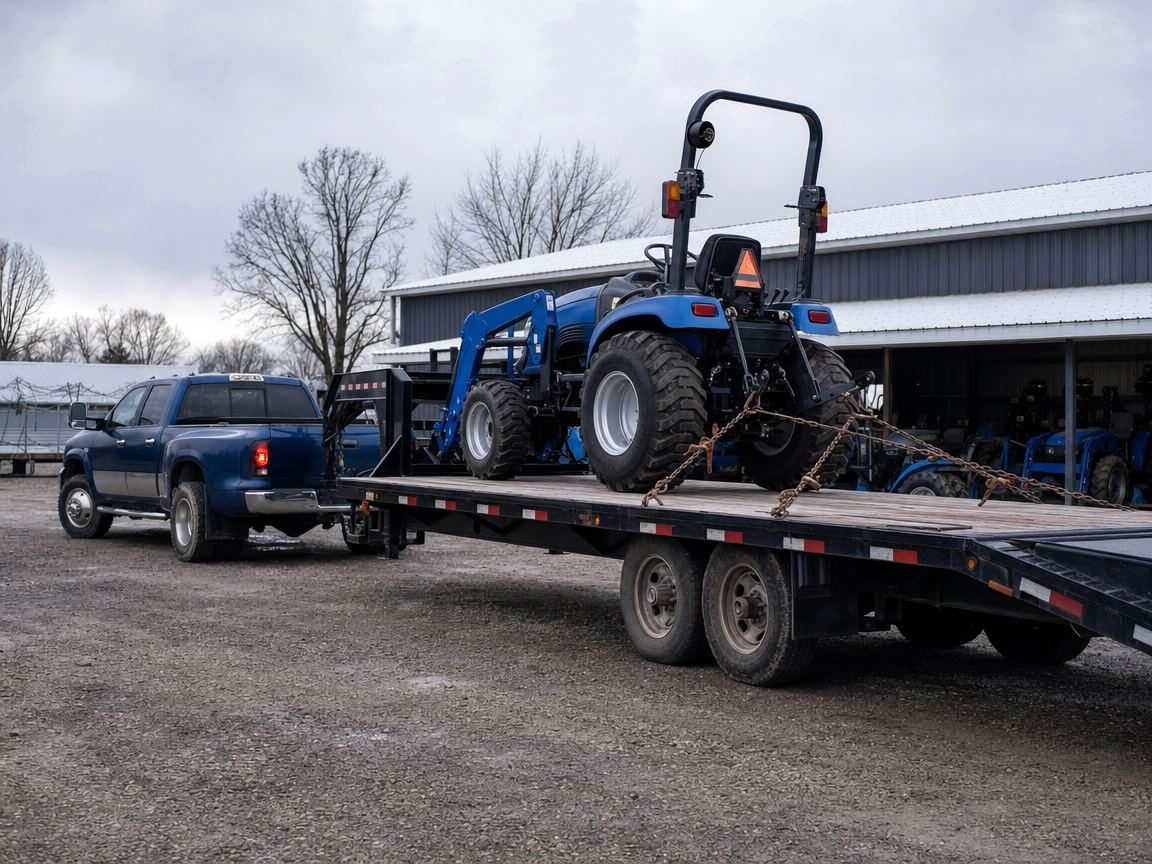
With Rhode Island so small, many local truckers head into nearby states and federal rules apply (a fast trip across the border still counts). The federal floor is at least $750,000 in liability for for-hire carriers moving non-hazardous property between states with vehicles rated 10,001 pounds or heavier. Use only vehicles under 10,001 pounds and the minimum becomes $300,000.
Oil, hazardous waste, and placarded hazardous loads call for a minimum of $1,000,000 when hauled for hire. Explosives, radioactive materials, poison gas, or bulk hazardous substances push the requirement to $5,000,000, whether the carrier is for-hire or private. Proof of federal liability coverage is filed by your insurer on Form BMC-91 or BMC-91X, though a BMC-82 bond also works.
Satisfying federal law with $750,000 isn't enough for major freight brokers. Before giving you loads, C.H. Robinson requires $1,000,000 in auto liability along with $100,000 of cargo coverage. Before you bind your policy, talk with a truck insurance agent so your coverage lines up with government filings and broker rules alike.
Questions people ask
May I file a bond rather than buy an insurance policy in Rhode Island?
Yes, that's allowed: the general treasurer will accept a $100,000 surety bond from a Rhode Island intrastate carrier in place of insurance. A carrier may also be approved by the state administrator to qualify as a self-insurer. A bond works like an insurance certificate here: cancellation takes written notice to the administrator, then a wait of 30 days.
Are the rates I charge for hauling controlled by the Motor Carrier Division?
The state does not set your rates for general freight. Rate control stays with the Motor Carrier Division only for taxi service, household goods moves, and non-consensual tows.
If I crash a heavy work truck, will my personal car insurance rate go up in Rhode Island?
Rhode Island rating rules for private passenger autos protect your personal policy. A loss can't be charged to it when you were working, driving a commercial vehicle with a gross weight over 10,000 pounds. So that your personal insurer applies this rule, save your dispatch records from work and note the truck's weight rating.
Sources
- Title 39 Public Utilities and Carriers (webserver.rilegislature.gov)
- Financial responsibility, minimum levels (49 CFR 387.9)
- RIPUC Motor Carriers Division (ripuc.ri.gov)
- Rhode Island insurance help for consumers (dbr.ri.gov)
- Automobile Insurance Rating (rules.sos.ri.gov)
- Insurance filing requirements (FMCSA)
- Carrier Resources: FAQs (C.H. Robinson)
Related
Insuring a truck in Rhode Island
A trucking agent who places policies in Rhode Island can quote it by phone, or you can send your details.
A quote costs nothing, and you do not have to buy.