
Trucking insurance in Texas
To arrange trucking insurance Texas, carriers with vehicles over 26,000 pounds need commercial auto liability coverage of at least $500,000.
Monthly cost, national figures
$665 to $1,165 a month for an established hotshot with a clean record (Trucking Insurance Services)
$1,000 to $1,800 in the first two years of a new MC number (Trucker Path Insurance)
What moves the priceBroker ask
$1,000,000 of auto liability and $100,000 of cargo cover, more than the law asks
Broker limits tableOwn MC number
The OP-1 application costs $300, you name a BOC-3 process agent, UCR starts at $55 a year, and your insurer files the BMC-91X within 20 days of FMCSA Register publication.
New authority checklistRegister with the TxDMV Motor Carrier Division first, and make sure your insurance company sends electronic proof of your policy, before any load moves within the state. A commercial truck insurance agent helps you line up your limits with your cargo and submit state filings correctly the 1st time.
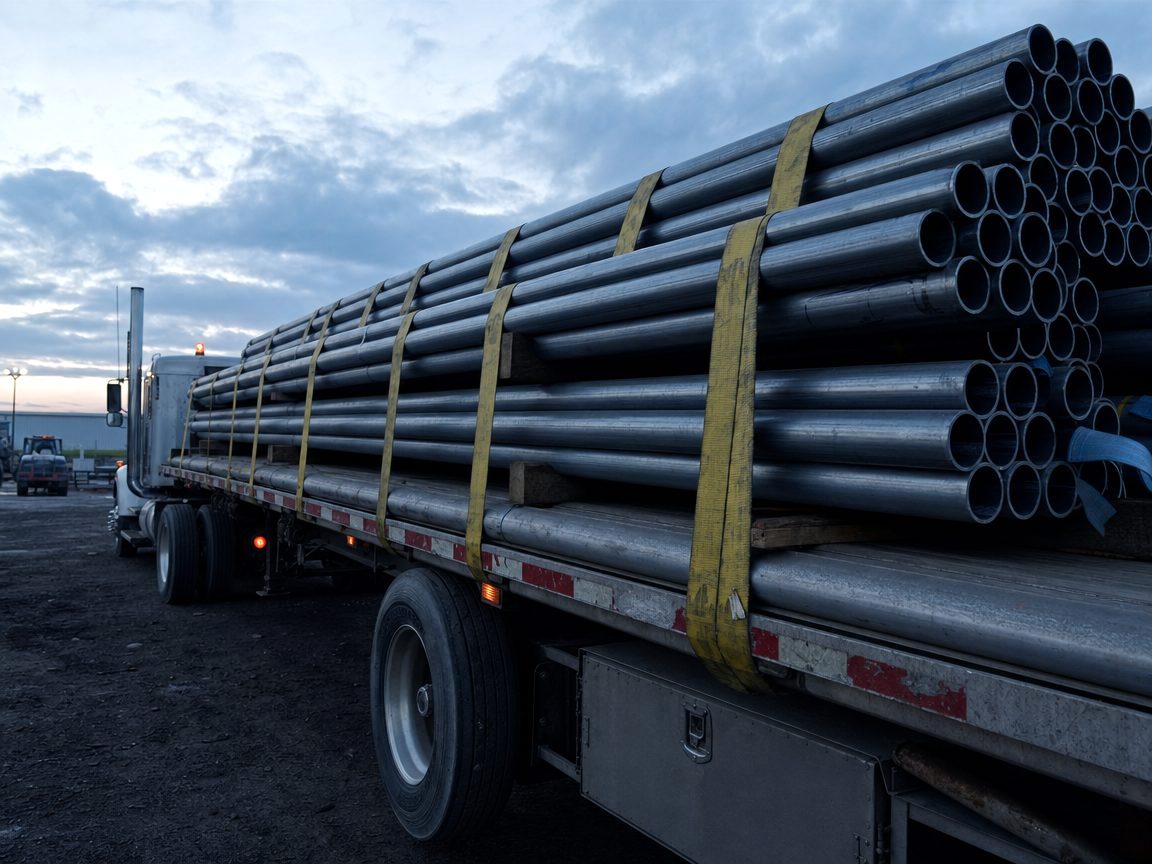
Texas intrastate trucking insurance requirements and minimums
Intrastate trucking means moving loads where pickup and delivery both happen strictly within state borders. Register for a TxDMV Number when your vehicle or combination is over 26,000 pounds in any of these: registered weight, gross weight rating, or gross weight. Registration is also required in Texas when you haul hazardous materials in amounts that need placards. Moving household goods for pay, at any weight, also requires it, as do farm vehicles at 48,000 pounds or more.
The state minimums vary with your weight and your cargo, though many freight brokers want more coverage than the law demands. Take C.H. Robinson: before you can book their loads, they require auto liability at $1,000,000 and cargo liability at $100,000. Talking with a trucking insurance agent helps you build coverage that satisfies state rules and broker contracts alike.
| Carrier or cargo type | Weight threshold | Texas minimum coverage |
|---|---|---|
| Private or for-hire carrier | Over 26,000 lbs | $500,000 auto liability |
| Household goods mover | Under 26,000 lbs | $300,000 auto liability |
| Household goods cargo | Any weight | $5,000 for each vehicle ($10,000 aggregate when multiple shippers use 1 vehicle) |
| Placarded hazmat (including petroleum fuels or lubricants) | Any weight | $1,000,000 auto liability |
| Highway route Class 7 hazmat or bulk Division 2.1/2.2 | Any weight | $5,000,000 auto liability |
Filing your Texas trucking insurance with TxDMV
TxDMV issues the state certificate once known as a TxDOT number; called intrastate operating authority, it lets you legally haul loads in Texas. Getting a USDOT Number from FMCSA and registering your operation as intrastate must happen before you apply. Applying on your own is allowed (a 3rd party never needs to be paid), and the authority belongs to you as the carrier instead of to a particular vehicle.
The state must first get electronic filings sent by your insurance company underwriter before granting your TxDMV certificate application (though carriers may also apply for self-insurance). Proving commercial auto liability takes Form E, the electronic filing; cargo coverage is proven through Forms H and I, and policy cancellations go through Form K. To keep your certificate on schedule, an experienced trucking agent follows these underwriter filings.
- Registration terms run 1 year, 2 years, 7 days, or 90 days; note that 90-day and 7-day certificates cannot be renewed.
- Each registration term carries a $100 Form E insurance filing fee, plus an application fee paid only 1 time while your registration stays current.
- State vehicle fees run $10 per vehicle on 1-year, 90-day, and 7-day terms, and $20 per vehicle on a 2-year term; card payments add 2.25% plus 25 cents.
- Each vehicle must carry a current insurance cab card at all times; it's your paper proof of coverage and registration.
- A fine is possible if authority stays active with no policy, even while off the road. The notice is electronic and comes 30 days ahead of cancellation. So, when changing insurers, have the new one file Form E as the replacement before the old policy ends.
Do you need Texas commercial truck insurance or federal authority?
Haul both intrastate and interstate, and you need authority from TxDMV and from FMCSA; crossing any state line triggers federal rules, even when most of your hauling stays inside Texas. Federal liability rules require for-hire carriers to hold no less than $750,000 in liability for interstate non-hazardous loads in vehicles rated 10,001 pounds and above. Under federal small-fleet rules, a for-hire property carrier must carry at least $300,000 when every vehicle in its fleet is under 10,001 pounds.
Interstate hazmat limits are $1,000,000 when for-hire carriers haul oil, hazardous waste, or placarded loads, and $5,000,000 when private and for-hire carriers haul explosives, poison gas, bulk tank hazardous substances, or radioactive materials. Using Form BMC-91 or BMC-91X, your insurer sends insurance filings to FMCSA; the other option is posting a BMC-82 bond. We always suggest mentioning any possible state-line crossings to your insurance agent, so they can coordinate the state and federal filings.
Texas trucks: permits, fuel taxes, and safety rules
Beyond your insurance policy, keeping a truck legal in Texas requires ongoing paperwork. Every 2 years, FMCSA needs an updated Form MCS-150 from you, or your USDOT Number won't stay active. Inside Texas, intrastate operating records must be kept a minimum of 2 years, while driver logs and time cards must be kept a minimum of 6 months. Carriers registered with TxDMV must also verify they meet federal rules on drug testing. They must send results to Texas DPS, the agency for safety audits and commercial driver's licenses.
TxFLEET handles applications and renewals for intrastate fleet registration, plus IRP apportioned registration covering interstate trucks. If you don't want full registration, temporary permits of 72 hours or 144 hours exist. UCR registration for interstate carriers also goes through TxDMV, with fleet size setting the annual fee. The state fuel use tax is covered by an IFTA license or by a $50 Texas fuel trip permit. A commercial truck insurance agent can go over your registration plan so your policy fits the permits you buy exactly.
Questions people ask
Can I haul in Texas on my personal auto policy?
If you're driving for business, most personal auto policies won't cover a crash. Also, Texas personal auto minimums require only $30,000 for each injured person, $60,000 per accident, and $25,000 in property damage (30/60/25), which won't satisfy commercial motor carrier laws.
How much time does TxDMV need for a motor carrier application review?
A first motor carrier application gets a TxDMV review in 24 to 48 hours, and only working hours count. Holding or being tied to a past authority or certificate adds 7 working days to the state review.
Does a disaster declaration waive Texas trucking insurance rules?
A disaster declaration never removes safety or insurance rules. Texas sometimes suspends size and weight limits temporarily during a disaster for fuel, timber, or agricultural loads weighing as much as 95,000 pounds gross. That never removes the need for full active insurance on your truck.
Sources
- TxDMV Number (txdmv.gov)
- Financial responsibility, minimum levels (49 CFR 387.9)
- Carrier Resources: FAQs (C.H. Robinson)
- Becoming a Texas Motor Carrier (Intrastate) (txdmv.gov)
- Security for the protection of the public: Minimum limits (49 CFR 387.303)
- Insurance filing requirements (FMCSA)
- Tips for Texas intrastate carriers (txdmv.gov)
- Motor Carriers (txdmv.gov)
Related
Insuring a truck in Texas
A trucking agent who places policies in Texas can quote it by phone, or you can send your details.